

Are Tariffs a Burden? CPA Senior Economist Mihir Torsekar Debates The Tax Foundation at Ohio State University

Are Tariffs a Burden? CPA Senior Economist Mihir Torsekar Debates The Tax Foundation at Ohio State University

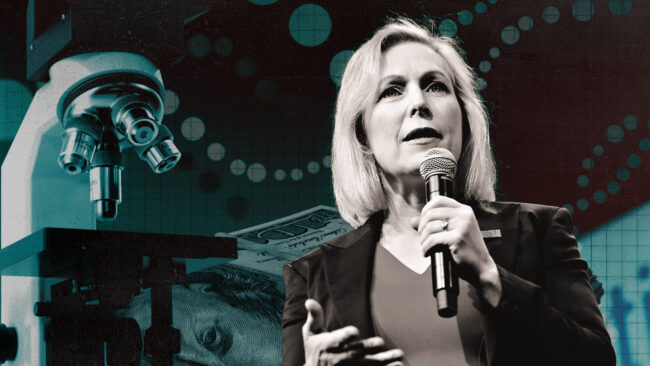
If there is one Washington, D.C.-based organization that is outspoken against the positions of CPA, it’s the Tax Foundation. They have been instrumental in getting many legislators to believe tariffs would be a “tax” upwards of $1,000 per household.

Started in America. Stayed in America. Whirlpool Corporation’s Ohio Investments and the Case for Domestic Manufacturing

Started in America. Stayed in America. Whirlpool Corporation’s Ohio Investments and the Case for Domestic Manufacturing

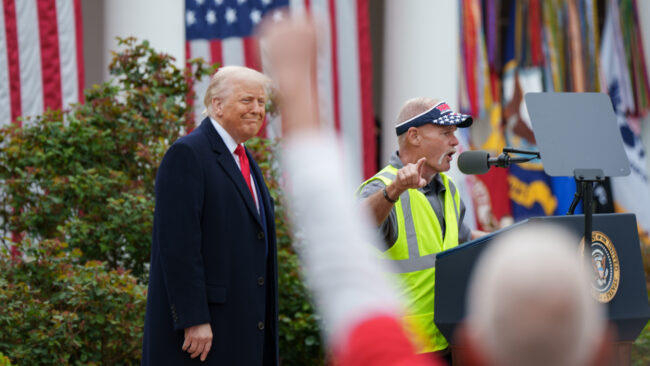
Founded in Benton Harbor, Michigan, in 1911, Whirlpool has spent more than a century building appliances on American soil while its competitors either left for cheaper production overseas or were sold outright to foreign buyers.

The Case for Specific Tariffs: Large-Diameter Steel Pipe Tells the Story

The Case for Specific Tariffs: Large-Diameter Steel Pipe Tells the Story

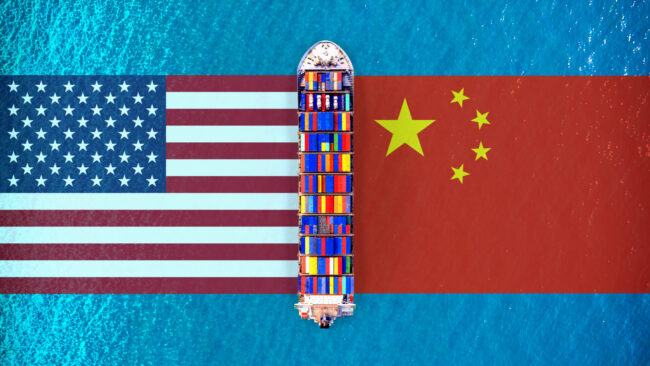
When the trade deficit goes down, that must mean good news for American manufacturers, right? No, that can’t be assumed. In the year since Liberation Day, a familiar pattern has played out: the value of imports decreased, while the actual quantity of imports increased.

New Fed Research Backs CPA's Case on China's Industrial Policy and Record Surplus

New Fed Research Backs CPA’s Case on China’s Industrial Policy and Record Surplus

A new Federal Reserve FEDS Note finds a systematic link between Chinese industrial policy interventions and export growth. The 15 most policy-targeted sectors accounted for 76% of the increase in China’s aggregate trade surplus from 2017 to 2024.

For China Commission, Warnings and Advice For Trump’s “Donroe Doctrine” in Latin America

For China Commission, Warnings and Advice For Trump’s “Donroe Doctrine” in Latin America

Last November, the White House released its National Security Strategy of the United States that laid out the Trump administration’s strategy for the Americas. In it, the strategy imperative for the region said that one of Washington’s key goals was to make sure the Americas remains “free of hostile foreign incursion or ownership of key assets,” and was supportive of U.S. access to critical supply chains. China wasn’t mentioned by name as the hostile adversary, but China is precisely who the White House had in mind.