
Is There Any Stopping China from Being the Solar OPEC?
China has wiped out American solar before. Can they do it again? This is the concern among many on Capitol Hill, including in the White House.



China has wiped out American solar before. Can they do it again? This is the concern among many on Capitol Hill, including in the White House.
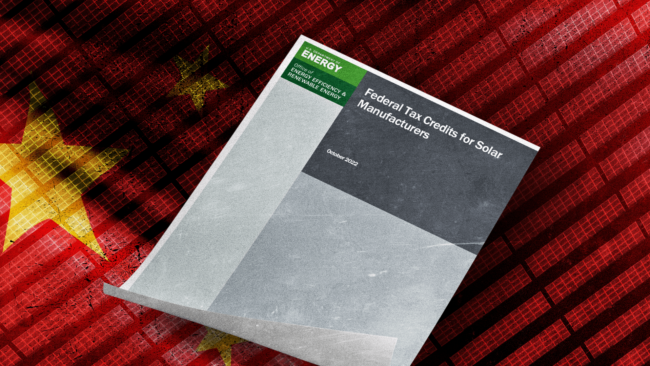
The bipartisan legislation would prevent any company with ties to a Foreign Entity of Concern from receiving the 45X Advanced Manufacturing Tax Credit.
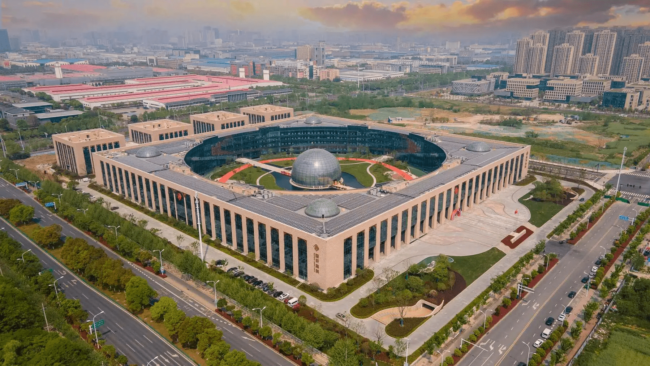
If Rep. John Moolenaar (R-MI-2), the newly minted Chairman of the House Select Committee on the CCP, gets his wish, there won’t be any Chinese EV battery investments in the U.S.
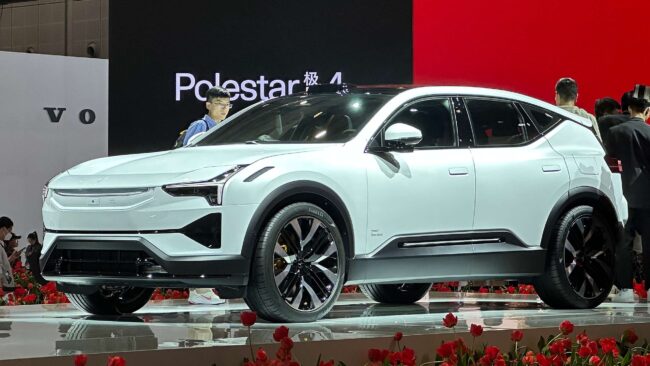
Should Sen. Sherrod Brown (D-OH) get his way, no Chinese EV can be driven within 25 miles of a Defense Department property, which likely means military housing, war colleges, and of course military bases.
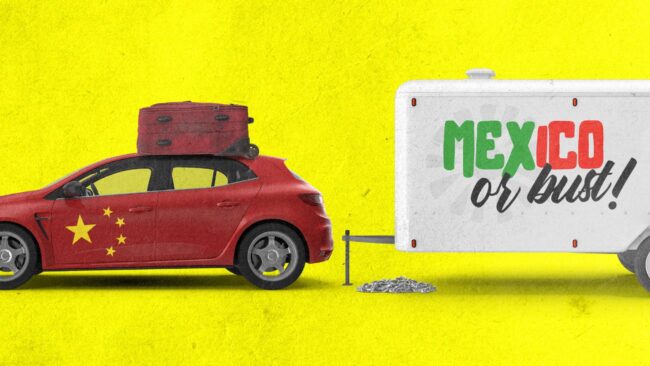
The United States-Mexico-Canada (USMCA) Free Trade Agreement is fast becoming a free trade agreement for the world, whereas any multinational with a presence in Mexico can set up shop and make the U.S. its number one target. China is doing that now.
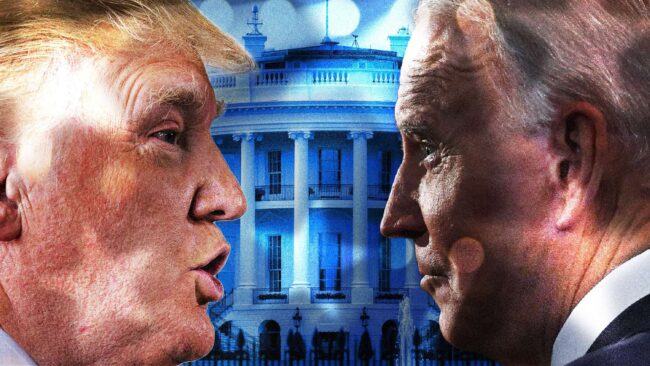
When asked about China, both Trump and Biden should say that China’s trade surplus is an insult to the world and a huge disruptor to our economy.
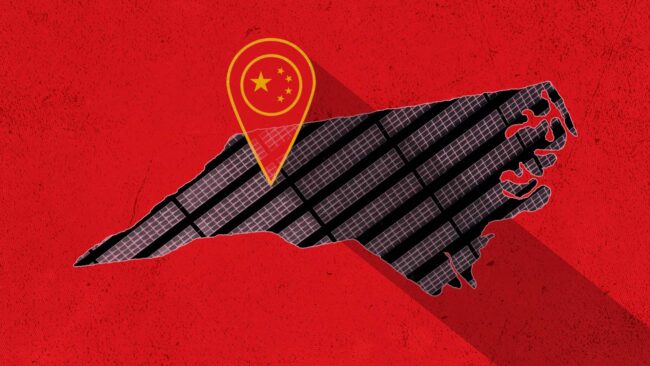
The U.S. solar manufacturing industry can play an important role in the 21st century economy. But that requires a smart, coherent trade and industrial strategy to counter China.
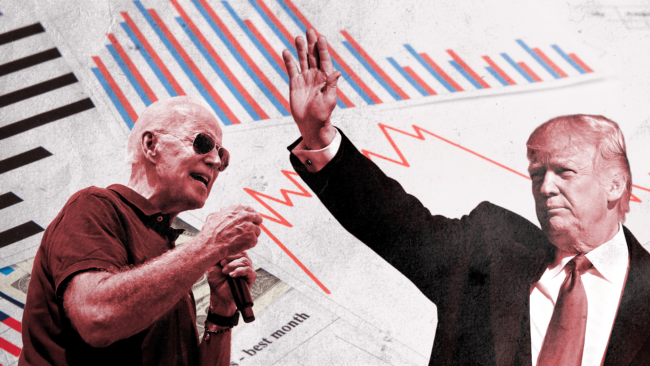
Last week, Republicans and Democrats from the Senate’s Joint Economic Committee squared off against each other – with one side arguing in favor of industrial policy programs like the Inflation Reduction Act – and the other side arguing in favor of lower corporate taxes.

It’s time for us to stop treating China as a friend and recognize China as the enemy to our national sovereignty that it is.
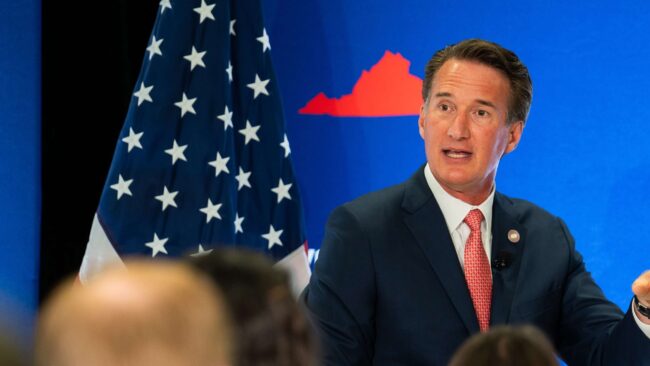
Will the Pentagon spend $104 million on solar made by a Chinese company? It might be.