Leadership of the House Select Committee on the CCP is convinced China is stealing American AI models. That’s why China has an OpenAI rival, called DeepSeek, and the Europeans have nothing.
China holds a rapidly expanding position in the global biologics and biosimilars market, driven by heavy government support, regulatory reforms, and massive investments in biotech hubs like Shanghai and Suzhou.
Revoking PNTR for China would move Chinese imports onto an average effective Column 2 tariff rate of 38.9 percent, helping rebalance trade, restore domestic production capacity, and reduce strategic dependence on an increasingly adversarial economic system.
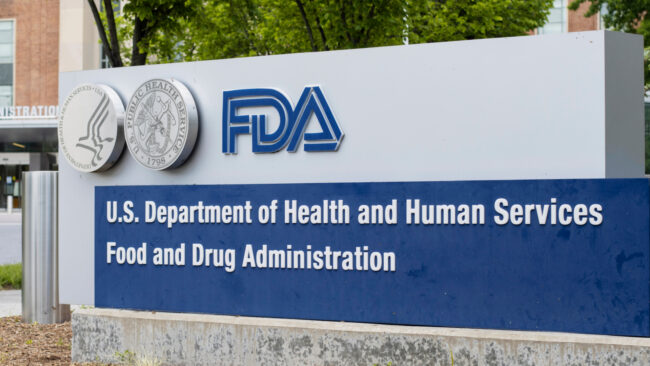
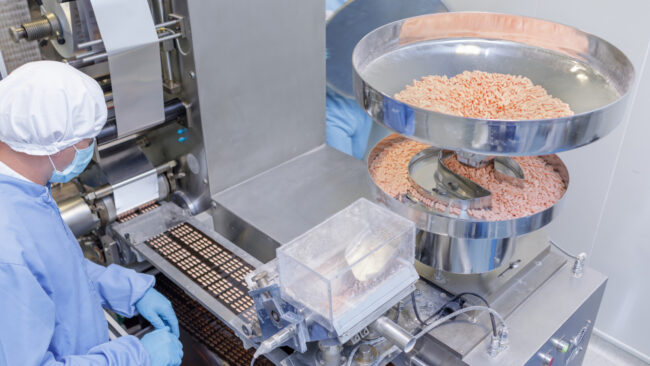
CPA welcomes new proposals from the Food and Drug Administration (FDA) aimed at rebuilding domestic generic drug manufacturing, strengthening oversight of foreign pharmaceutical production, and improving supply chain transparency.
The report finds that the CPA Domestic Market Share Index (DMSI) – which measures the share of U.S. demand served by domestic producers – rebounded in 2025 as Section 232 tariffs and other industrial policies began to reshape the competitive landscape for American industry.
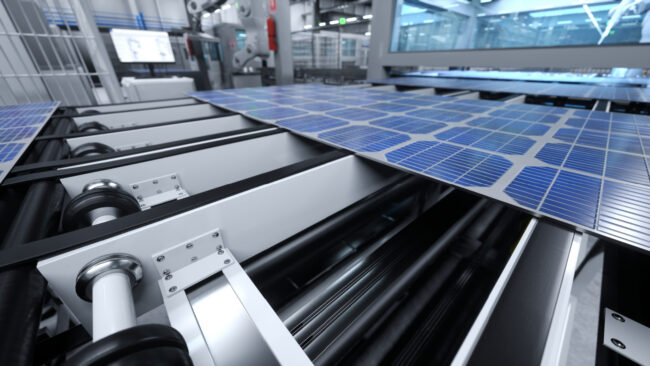
Suniva’s expansion highlights the critical importance of rebuilding the domestic crystalline silicon photovoltaic (PV) supply chain—particularly solar cell manufacturing, one of the most strategically important segments of U.S. energy production.
One year after Liberation Day, the U.S. manufacturing sector is showing some significant early signs of resurgence. The industrial base is not yet fully rebuilt, and the recovery remains uneven across sectors, but the early signs are encouraging.
The race to commercialize nuclear fusion will define the next era of geopolitical power. By one estimate, a single glass of fusion fuel carries the energy equivalent of one million gallons of oil, enough to power a home for more than 800 years.