This bipartisan letter from the Senate Banking Committee is a powerful signal that Congress is finally taking seriously what CPA has been warning about for years: the Chinese Communist Party has been exploiting America’s capital markets to fund its military modernization, underwrite its surveillance state, and enrich entities engaged in genocide, forced labor, and espionage — all with American investor capital.
Should Chinese organizations and individuals be allowed to donate to American colleges, and should their PhD students have access to scientific research grants? It’s not an easy question to answer.
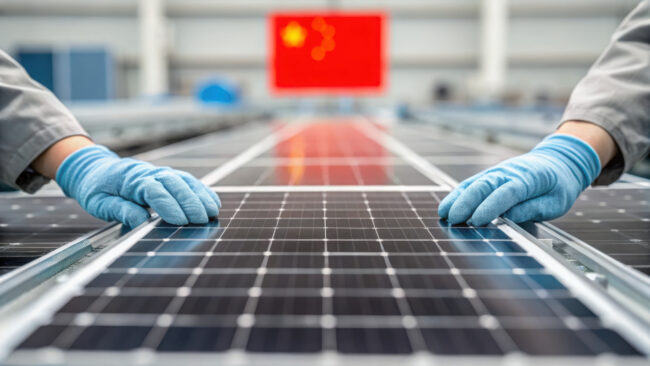
The letter underscores a critical point: any effective policy response must address the entire solar supply chain—from polysilicon to ingots, wafers, cells, and finished modules—rather than focusing on a single segment in isolation.
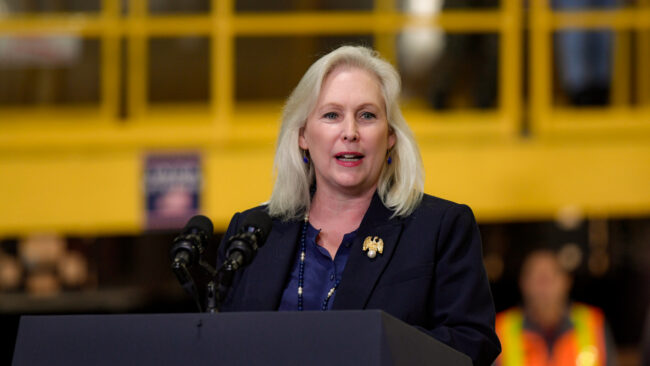
It’s the second month in a row now that the U.S. Senate Special Committee on Aging has taken up the question of our woeful generics supply chain. This time, however, Ranking Member Kirsten Gillibrand (D-NY), started the hearing off by touching on a key topic in pharmaceuticals: the cost equation can no longer override the quality equation.
Section 301 is a powerful tool for addressing foreign policies that distort global markets and disadvantage American producers. When foreign governments explicitly pursue overproduction and then export the resulting surplus into the United States, the effect is to displace domestic output and deter new investment in American manufacturing.
For the first time, the new portal provides the American public with detailed access to reported foreign funding, including gifts and contracts from entities designated as “entities of concern” on nine federal government watchlists.
CPA urges the administration to move swiftly to deploy Section 232 investigations through the U.S. Department of Commerce as the most durable and effective tool available to restore American industrial capacity.
CPA strongly supports Senator Cassidy and Whitehouse’s Last Sale Valuation Act because it closes a long-standing loophole that has allowed multinational importers to artificially understate the value of goods entering the United States.