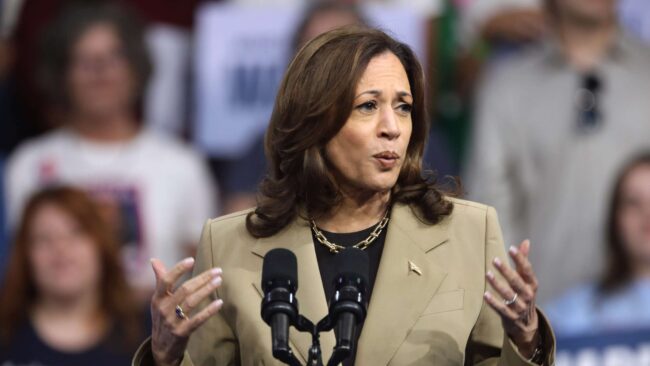
Kamala Harris spoke for 45 minutes at the Economic Club of Pittsburgh on Wednesday where she spent some of that time talking about industrial strength, and how a weakened manufacturing base is bad for the country’s prosperity.
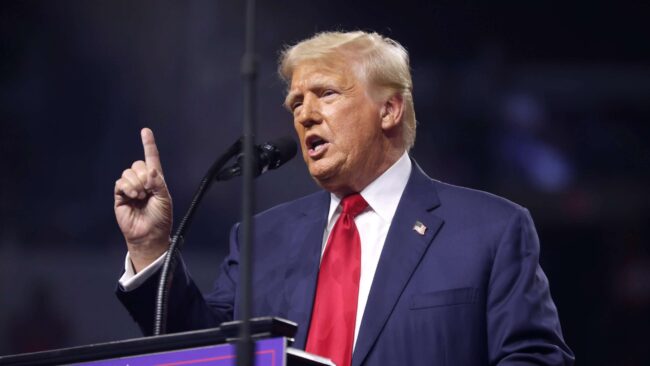
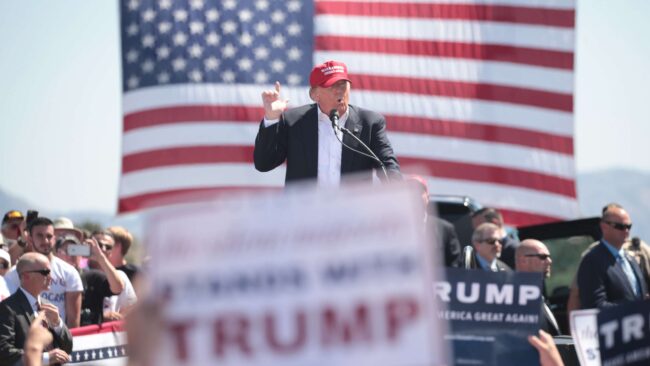
Donald Trump was in Savannah for a campaign stop on Tuesday where he spoke for 90 minutes, bringing up tariffs, taxes, and a real threat of tariffs on Mexico-made cars.
There is still a significant amount of work left to fully address the threats posed by the Chinese Communist Party’s (CCP) growing overcapacity in the global automotive sector, particularly through electric vehicles (EVs).
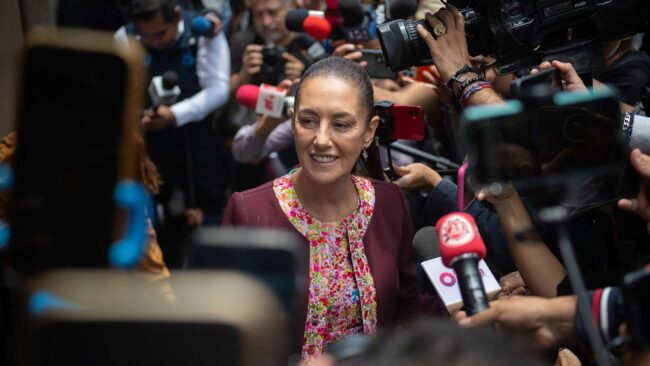
Claudia Sheinbaum, who won Mexico’s June presidential election with 59% of the vote, will take office in October 2024. She succeeds President Andrés Manuel López Obrador (AMLO) and shares his political affiliation as a member of the National Regeneration Movement (MORENA).
Sunsong, a Chinese multinational automotive parts manufacturer, is now facing serious scrutiny from the House Select Committee on the Chinese Communist Party (CCP). And the attention it’s receiving is far from positive.
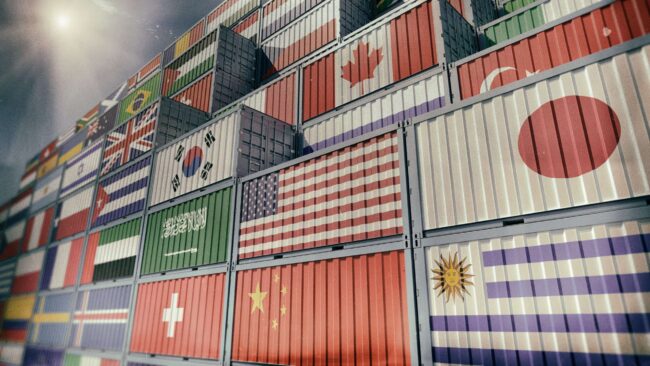
In recent years, tariffs have been at the center of heated Washington debate. Critics claim that tariffs are a “hidden sales tax” passed on to consumers in the form of higher prices. But in the wake of the 2018 “Trump tariffs,” America’s consumers haven’t experienced noticeable price increases.
There’s a nearly $2 trillion fiscal deficit, and of course the record $1.12 trillion goods deficit. And one way to bring that down is to produce revenue via trade – also known as tariffs. To some, that’s a dirty word, Trump told an ABC news affiliate in Las Vegas this weekend.
Reindustrialization might cause some above-target inflation. Deindustrialization, meanwhile, might take countries out of the running of the industries of today, and the future, too, said former European Central Bank president Mario Draghi.
To craft a pro-America trade and economic agenda, Harris should pledge to increase overall tariffs, use tax credits more broadly to grow critical production, and ignore Wall Street’s call to return to the failed trade policies of the past.