How can U.S. industry, small and large, compete against countries with much weaker currencies, lower labor and environmental regulatory costs, and the overproduction and dumping that come from Asia?
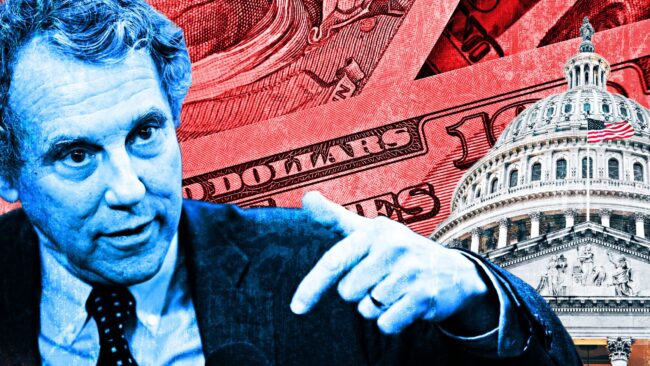
“Our tax code is supposed to support American manufacturers in building out genuine domestic supply chains. It shouldn’t be exploited by the Chinese Communist Party,” said Brown.
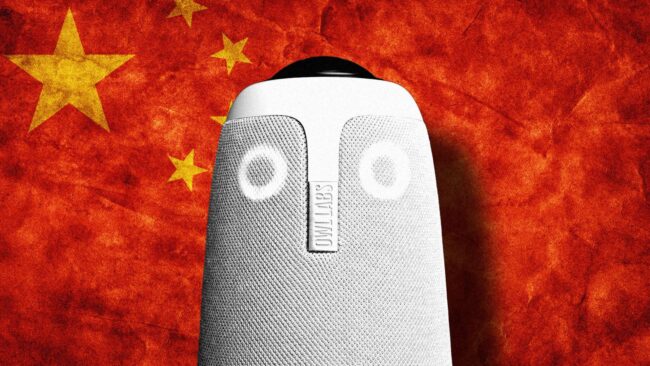
Owl Labs of Massachusetts may look like an American company, but other than the U.S.-based venture capital that funds it, and the intellectual property behind it, their 360-degree video cameras are made in China.
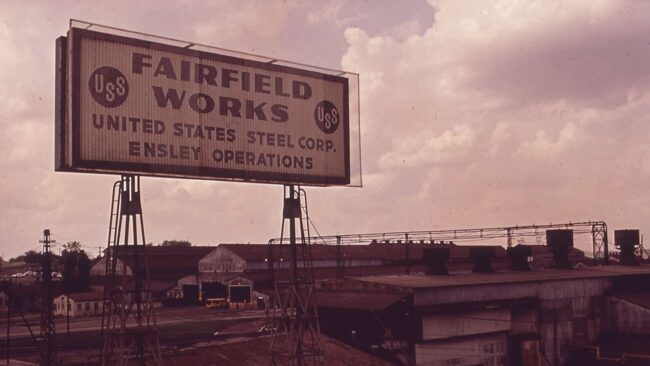
The Nippon Steel proposed acquisition of U.S. Steel has the United Steelworkers Union (USW) worried that, eventually, integrated steel mills will be closed in favor of imports from Japan.
Go to U.S. Steel’s website and it looks like a done deal: Nippon Steel, the fourth largest steel producer in the world, is already the assumed new owner of America’s oldest, most storied steel company, formed in 1901 when J.P. Morgan financed the merger of three steel companies.
Wolfe told the Commissioners on Monday that he doubts countries will be able to tolerate the deluge of China exports, adding that he sees no end in sight to this onslaught for the time being.
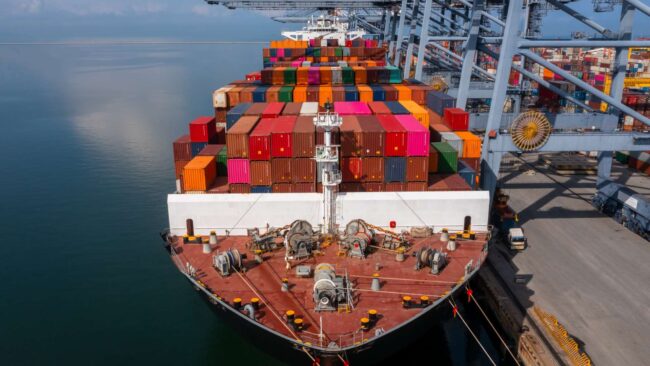
The roughly 485 million packages that come into the U.S. duty free via the de minimis loophole is “overwhelming” and that volume “makes it harder for us to police products for consumer safety,” James Joholske, director of the office of import surveillance at the U.S. Consumer Product and Safety Commission (CPSC) told the U.S. China Economic and Security Review Commission on March 1