Tuesday’s House Ways & Means Trade Subcommittee hearing saw every single Democrat attacking the Trump administration’s tariff policy, mocking his April 2 “Liberation Day” announcement, and calling tariffs a tax that will hurt middle class consumers.
It’s been five years in the making, yet a bill requiring online retailers to label the country of origin for merchandise remains a tough sell in Congress—even among the lawmakers who introduced it back in 2020.
It’s been a rough start to 2025 for Indian pharmaceutical giants. Four of India’s biggest generic drug producers issued product recalls in the last three months.
It’s a straight line up. The goods and services deficit kicked off January by rising a record 34% over December. Importers are front running tariffs and getting in their orders before everything changes, likely at some point after April 1.
It took nine months to rescue two astronauts stuck on the International Space Station this weekend, yet somehow President Trump is expected to rewrite global trade rules between the U.S. and 166 World Trade Organization-member countries in less than two months.
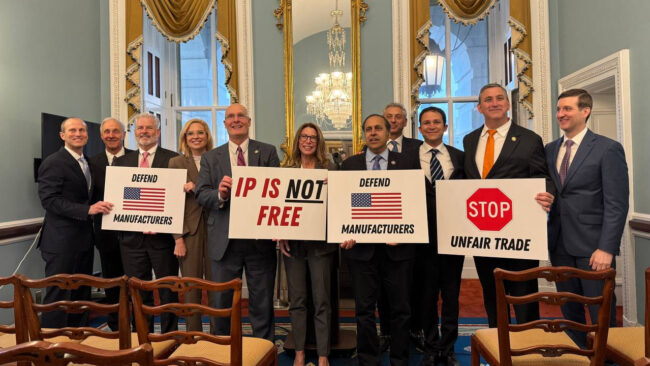
Nine different companies joined members of the House Select Committee on China at a press conference on Wednesday to talk about their battles with “China trade cheats” that have cost them a fortune. Most of them closed factories, or rolled back investment. Despite tariffs and anti-dumping (AD/CVD) trade case victories, the battle continues.
In a House Oversight subcommittee hearing on Feb. 26, the Inflation Reduction Act (IRA) was hit with the usual swipes from detractors, with some calling it the “green scam”, but China’s solar company benefits were never mentioned.
In 2024, China and India accounted for 57.6% of total U.S. pharmaceutical imports by weight, highlighting the potential risks associated with such reliance. Growing U.S. dependence on China and India for widely-used generic pharmaceutical products creates serious risks to national security and patient safety when drugs are in short supply, or ineffective.
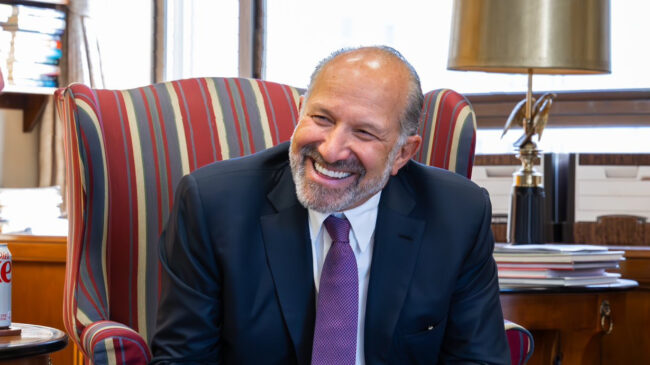
Lutnick has faced adversity before. He lost his parents when he was just 18 and later rebuilt Cantor Fitzgerald after the September 11, 2001 terrorist attacks claimed the lives of over 600 staff and key executives, including his own brother. Now, as Commerce Secretary, he must tell trade ministers that the United States is seeking a different kind of relationship.
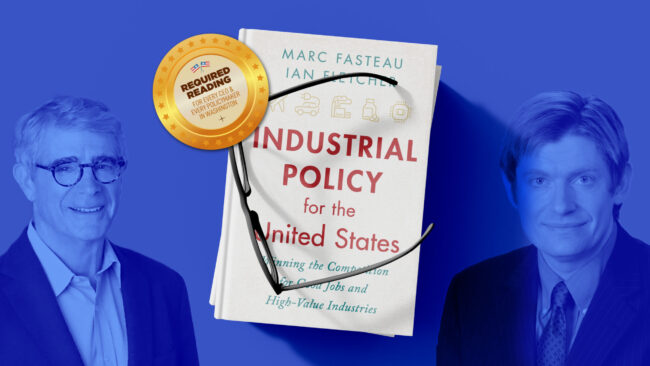
Industrial Policy for the United States seeks to list all of the tools a country can use to improve its industrial base and entice businesses to invest in manufacturing. If these tools are deployed, the authors argue, the results will be good for local economies and labor.