Valentine will bolster CPA’s advocacy efforts at the federal, state, and local levels, working to advance pro-American trade and economic policies that support domestic manufacturing, strengthen supply chains, and protect American workers.
Widely regarded as one of the nation’s leading experts on tariffs, industrial policy, economic modeling, and trade policy, Ferry’s contributions to CPA and the broader economic policy landscape have been transformative.
Reindustrialization might cause some above-target inflation. Deindustrialization, meanwhile, might take countries out of the running of the industries of today, and the future, too, said former European Central Bank president Mario Draghi.
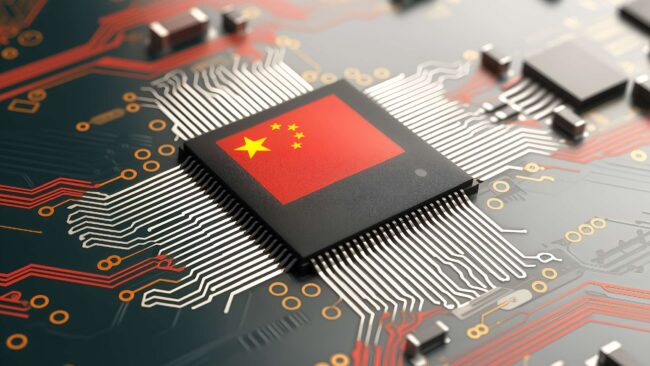
Tariffs must be part of the toolkit to manage the influx of products from Chinese tech companies, whether from e-commerce platforms like Temu or from a growing number of low-cost microchip manufacturers set to flood the global market with semiconductors.
If anyone needed yet another example of the importance of China miners and processing companies, Beijing said it would put restrictions on exports of antimony and processing equipment used in batteries and as an alloy to increase a metal’s strength.
Euphoria over artificial intelligence has seized the technology industry, the stock market, and the world. But for the U.S. economy as a whole, the AI boom is very likely to be a huge productivity disappointment.
If Rep. John Moolenaar (R-MI-2), the newly minted Chairman of the House Select Committee on the CCP, gets his wish, there won’t be any Chinese EV battery investments in the U.S.
Should Sen. Sherrod Brown (D-OH) get his way, no Chinese EV can be driven within 25 miles of a Defense Department property, which likely means military housing, war colleges, and of course military bases.
Domestic content rules and mandates have worked for China. Should the U.S. try to copy it, in spots, along key supply chains like new energy and semiconductors?