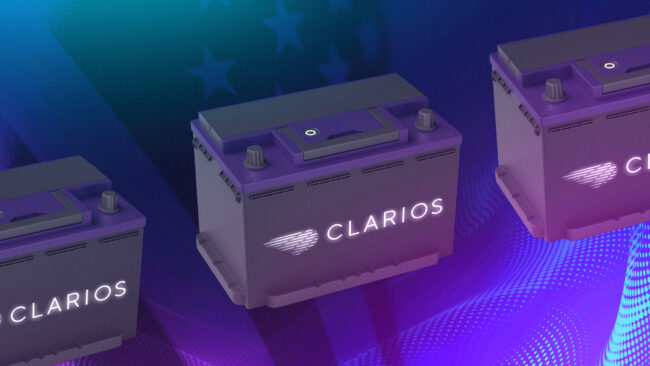
As highlighted in the Oval Office at the White House this week, Clarios played a part in the launch of ‘Project Vault,’ a major initiative to strengthen U.S. critical minerals security and safeguard American battery supply chains from global disruptions.
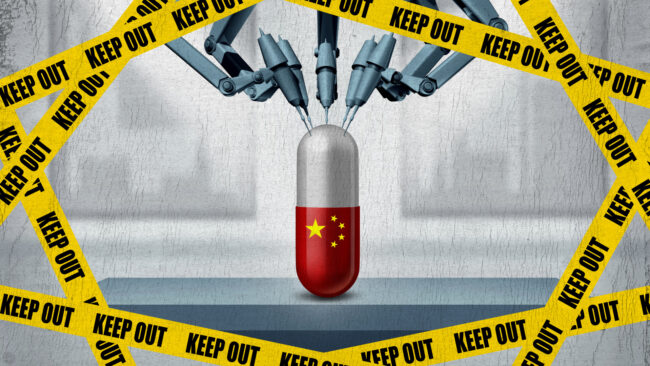
U.S. drugmakers are rapidly shifting the front end of America’s pharmaceutical ecosystem (e.g. discovery, early-stage-development, and the IP engine) to China through a surge of licensing deals and cross-border partnerships.
To trade away aluminum and steel workers’ home market in exchange for padding Big Tech’s bottom line overseas is immoral and wrong. The Section 232 actions on aluminum and steel should be singularly focused on rebuilding domestic output across the supply chains, not used as leverage to help Google and Meta become even more profitable.
The America First Investment Policy rightly seeks to ensure that Wall Street can no longer channel hundreds of billions of U.S. dollars into companies that build China’s military, commit human rights atrocities, and threaten our national security. CPA strongly supports Chairman Moolenaar’s effort to codify this policy into law.
Witnesses at a Senate hearing on Wednesday, Oct. 29 titled “The Future of Biotech” discussed ways to facilitate reshoring and making it attractive to expand in the U.S. and conduct R&D here instead of in China.
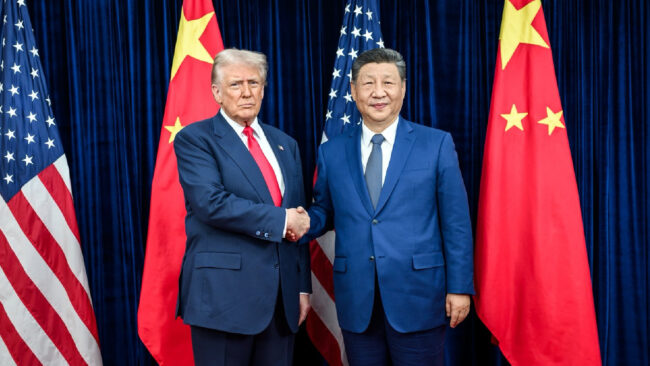
President Trump has already made the most important deal of his life—his promise to the American people to end U.S. dependence on China and rebuild our domestic industrial capacity.
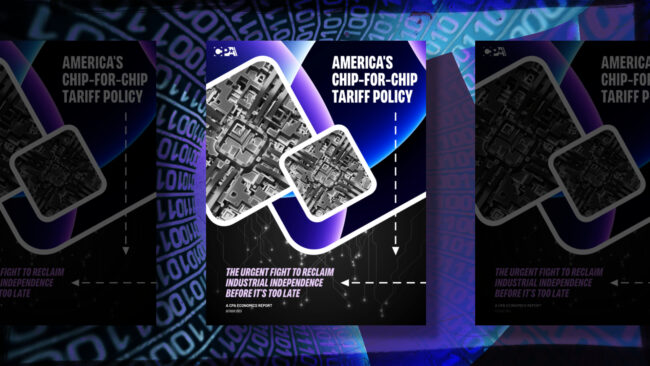
The report, titled “America’s Chip-for-Chip Tariff Policy: The Urgent Fight to Reclaim Industrial Independence Before It’s Too Late,” finds that the United States now produces only 10 percent of the world’s chips—and almost none of the most advanced ones—while China has captured the majority of global capacity for legacy chips, the mature semiconductors essential to cars, medical devices, and industrial equipment.
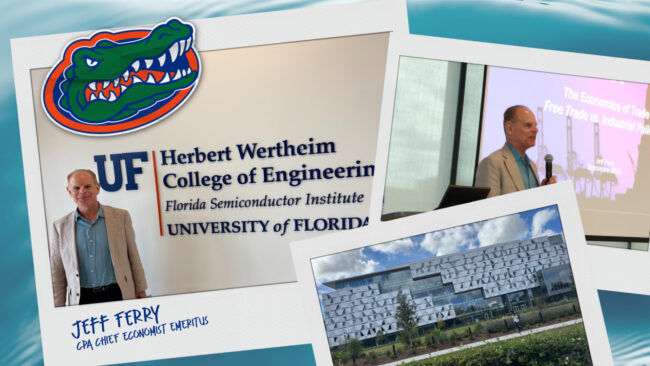
CPA’s chief economist emeritus, Jeff Ferry, has gone back to school in his semi-retirement years. This time, though, it was a speaking gig at the University of Florida’s new Semiconductor Institute in Gainesville.