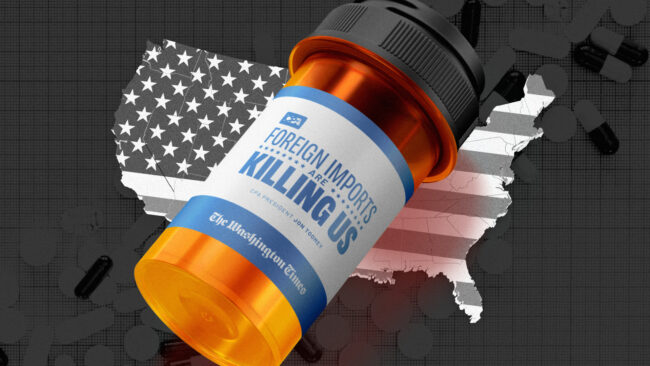
The United States has become incredibly dependent on imports to meet its daily pharmaceutical needs. This heavy reliance on imports is now creating serious drug shortages and has led to a flurry of safety concerns.
America is facing a growing crisis in its medical system — not from a lack of talent or innovation, but from a breakdown in the control, safety and supply of essential medicine. Our growing reliance on imports is now driving serious drug shortages, destabilizing supply chains and increasingly making medications unsafe.
In the U.S. today, frontline cancer treatments are being rationed. ERs are short on sedatives. Amoxicillin—one of the most prescribed antibiotics in the country—has been in critical shortage. These are not temporary disruptions. They reflect a structural breakdown caused by the erosion of America’s pharmaceutical manufacturing base and a decades-long surge in generic drug imports.
U.S. based generic drug makers need government support to expand – and maybe even to survive – the onslaught of imports nearly every member of the House Energy and Commerce Committee Subcommittee on Health said in a hearing on Wednesday.
The American pharmaceutical supply chain has become dangerously dependent on imports and foreign-controlled supply chains. Over the past 20 years, the country has experienced a skyrocketing rate on pharmaceutical imports and increasing foreign reliance.
A smart policy like the ‘PILLS Act’ would prioritize domestic production of essential generics. It’s precisely the market signal needed to attract serious investment and rebuild the industry at home.
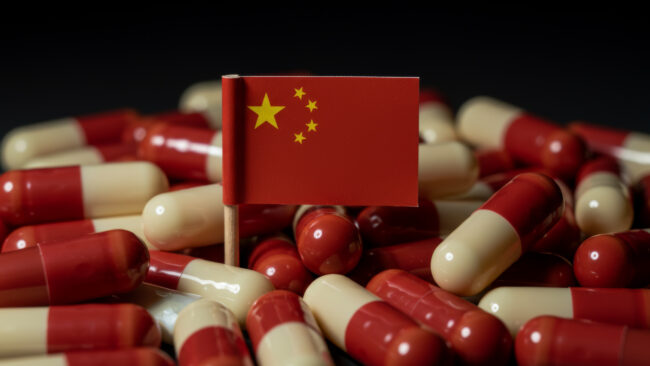
As the leading organization advocating for reshoring the generic drug industry, CPA’s submission documents how extreme overreliance on foreign pharmaceutical supplies—especially active pharmaceutical ingredients (APIs) and critical injectable drugs from China and India—poses an urgent threat to U.S. national security and patient safety.
The United States is amid a dangerous drug shortage that endangers patients, undermines our health care system and exposes a deep vulnerability to national security. America’s overwhelming reliance on foreign manufacturers for generic drugs is at the center of it.