China’s Record Trade Surplus and Washington’s Financial Trump Card
China’s trade surplus has crossed a dangerous threshold. In 2025, it exceeded $1 trillion for the first time, surpassing the previous record of $993 billion.



China’s trade surplus has crossed a dangerous threshold. In 2025, it exceeded $1 trillion for the first time, surpassing the previous record of $993 billion.

U.S. drugmakers are rapidly shifting the front end of America’s pharmaceutical ecosystem (e.g. discovery, early-stage-development, and the IP engine) to China through a surge of licensing deals and cross-border partnerships.
The current cost-of-living crisis – defined by the soaring cost of essential services – is not the result of excessive consumer demand or short-term inflation shocks. It is the product of decades of trade and industrial policy choices that weakened middle-class wage growth.
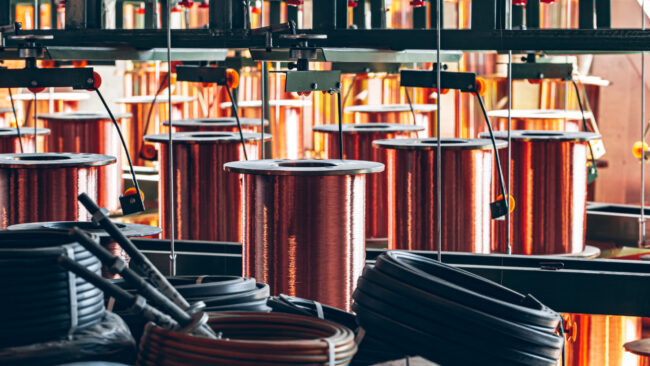
Data centers powering AI need copper wiring and transformers. EVs use nearly four times more copper than gas-powered cars. Wind turbines, solar farms and the modern electric grid all depend on it. As such, copper is a building block of tomorrow’s economy and the backbone of America’s national security.
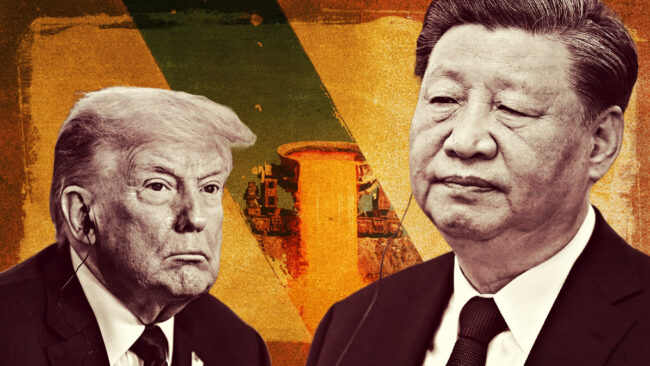
With President Donald Trump’s recent announcement of 50% tariffs on copper imports under Section 232 of the Trade Expansion Act, the United States has correctly identified copper as a material of strategic national importance.

If America fails to defend its copper industry today, it will lose the industrial backbone for tomorrow’s economy. The combination of speculative arbitrage, Chinese overproduction, and predatory pricing is decimating American copper mills.
Depending on where you get your information, you would be forgiven for believing that we are getting buried by inflation, the stock market is in shambles, and that we need to start hoarding Chinese yuan to pay for our morning lattes.
The two Trump Administrations have reshaped the debate on U.S. trade policy. For the first time in decades, U.S. officials are no longer endorsing the “free trade” orthodoxy that has contributed to the erosion of its manufacturing sector. Instead, tariffs are now the centerpiece of U.S. plans to repatriate supply chains and reindustrialize America.
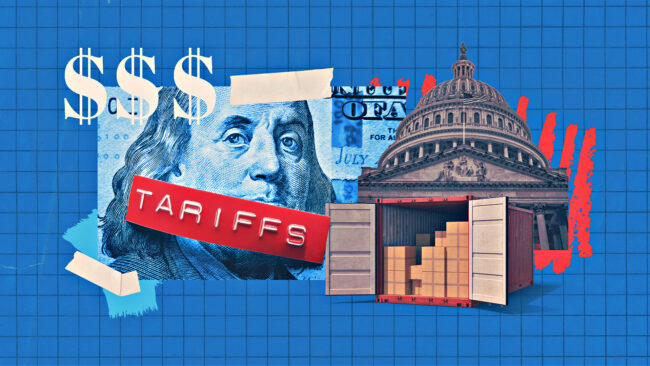
Decades of misguided trade policies have transformed the United States into the world’s consumer of last resort, absorbing the world’s excess savings at the expense of its manufacturing sector. U.S.-imposed tariffs are the first step towards rebalancing the system, but they aren’t sufficient.