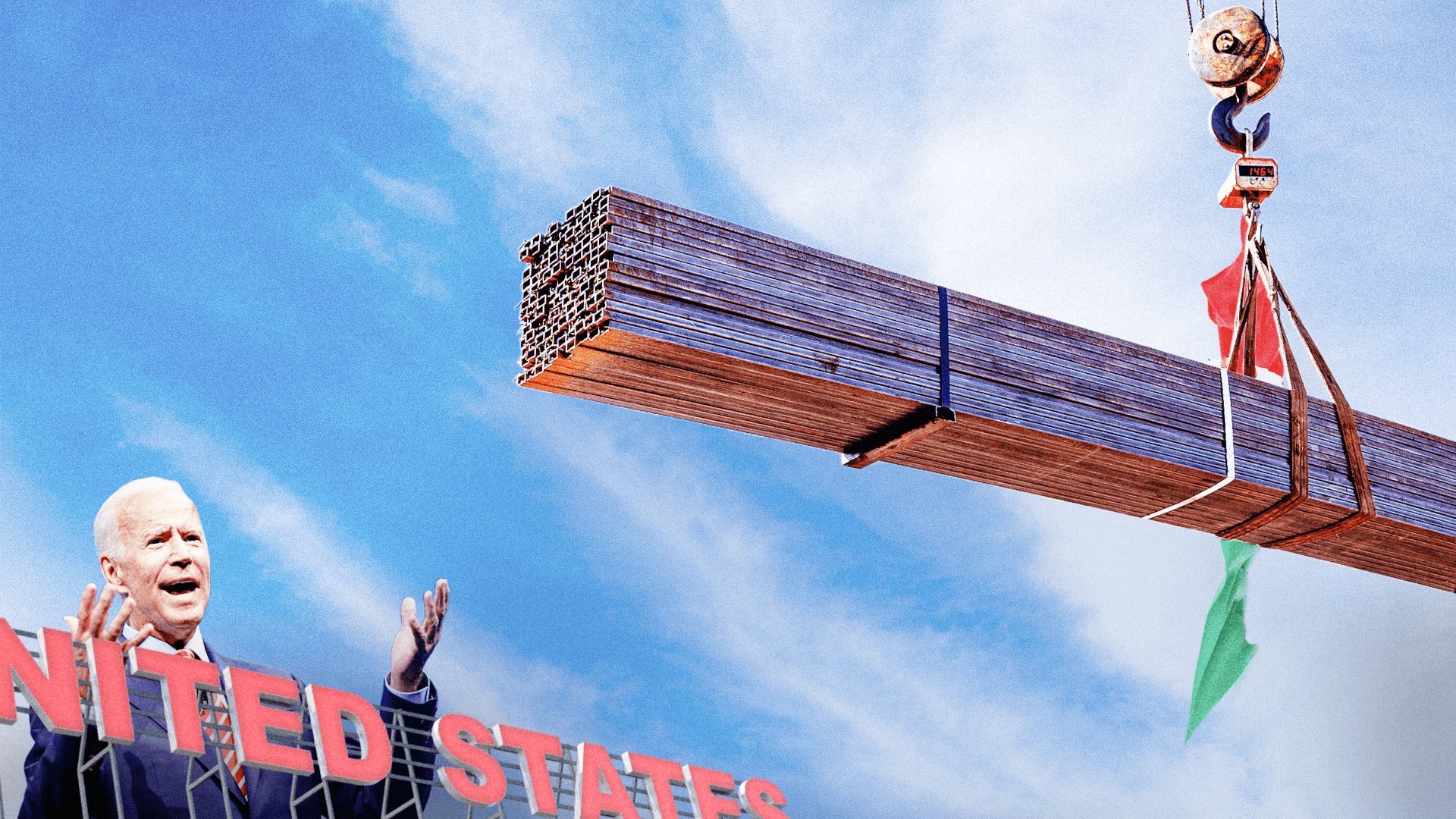
A new trade policy isn’t just emerging; it’s emerged. Six years after former President Donald Trump and his chief trade diplomat Robert Lighthizer imposed tariffs on nearly $400 billion worth of imported goods from China, President Biden has done the same.
We welcome the recent action by DHS to place 26 more Chinese textile companies on the UFLPA Entity List. However, more needs to be done to ensure that Chinese forced labor imports are not skirting the enforcement of U.S. law.
Today’s announcement is a welcome signal step by the Biden administration that it recognizes the importance of supporting America’s solar manufacturing industry and that a whole-of-government approach is needed to counter China’s actions to dominate the global solar supply chain.
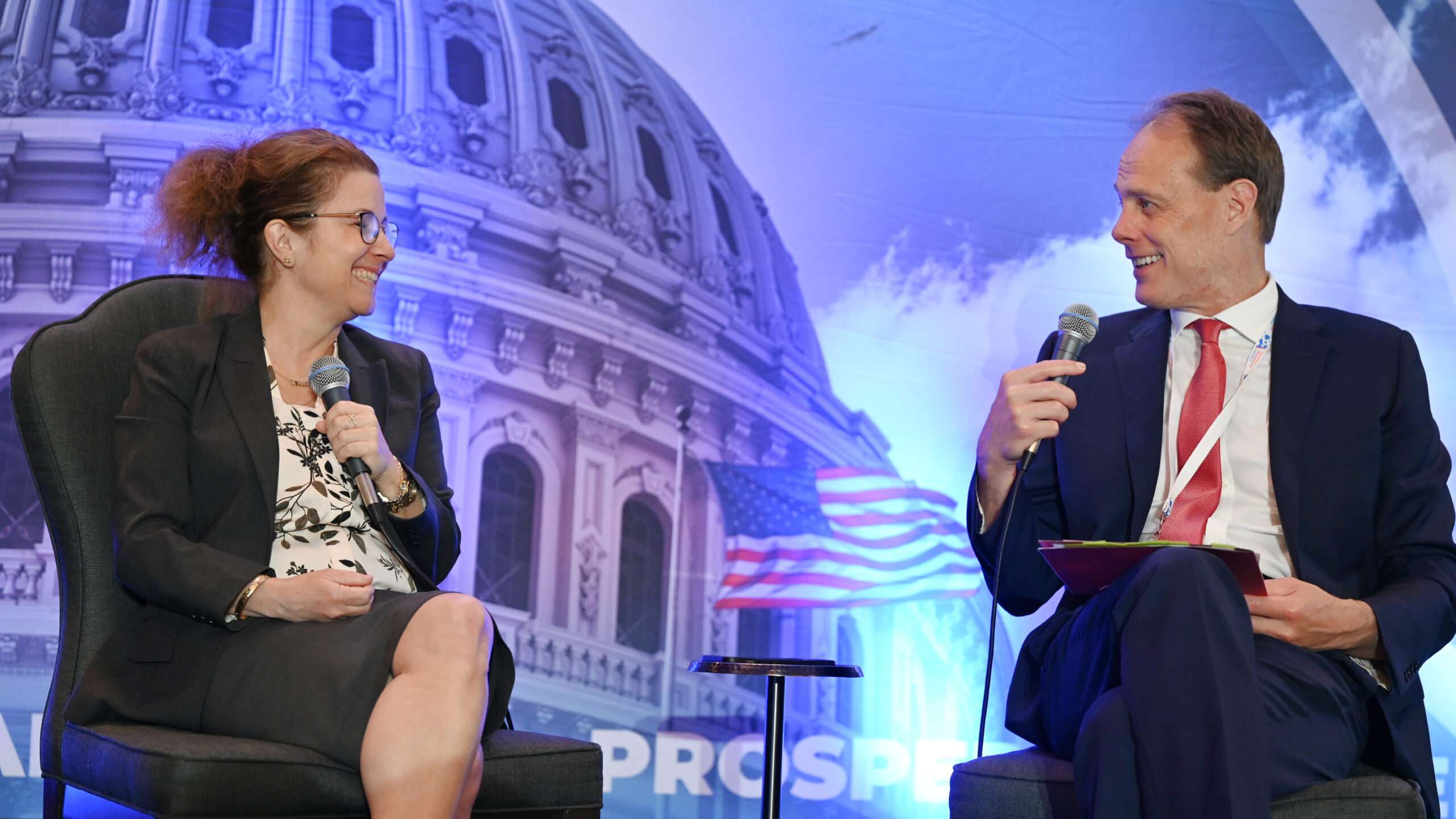
Brainard Highlights Necessity of Tariffs to Avoid China Shock 2.0 WASHINGTON — The Coalition for a Prosperous America (CPA) today welcomed comments by U.S. Treasury
Tariff Rates Will Increase on Steel and Aluminum, Semiconductors, Electric Vehicles, Batteries, Solar Cells, Critical Minerals, Ship-To-Shore Cranes, and Medical Products WASHINGTON — The Coalition
WASHINGTON, D.C. — Members of the Coalition to Close the De Minimis Loophole, representing diverse American voices and millions of people committed to fix the
In six short years, there is now a strong, bipartisan consensus that trade with China is a serious issue that is harming our nation, workers, and producers.
WASHINGTON — The Coalition for a Prosperous America (CPA) today applauded a letter from House Ways and Means Committee Chairman Jason Smith (MO-08) and Trade
Mexico may be an ally of the United States, but lately, it hasn’t been behaving like one. Not only is Mexico helping China avoid U.S. tariffs, but it’s also openly violating an agreement not to flood the U.S. with steel products.