The investment is clear evidence that U.S. trade policy is driving a resurgence in domestic production and job creation. This new investment underscores Whirlpool Corp.’s long-standing commitment to the U.S. market and creating high-quality American jobs.
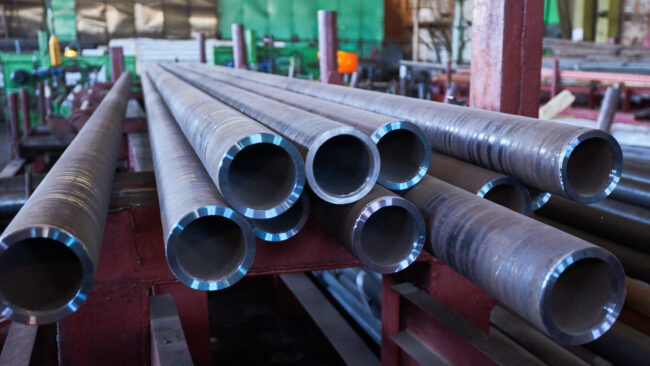
Section 232 tariffs remain a cornerstone of U.S. industrial policy, particularly in sectors tied to infrastructure, energy, and defense. This proclamation reinforces their role as a long-term tool to increase domestic capacity utilization, reduce import dependence, and support a resilient industrial base.
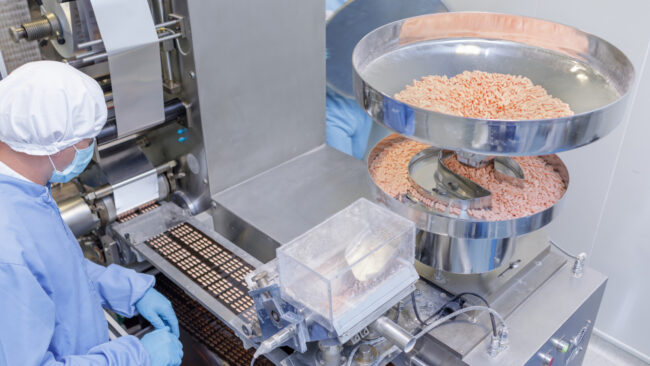
America’s healthcare system cannot remain dependent on fragile and subsidized foreign supply chains for generic pharmaceuticals and other critical countermeasures that are fundamental to patient care.
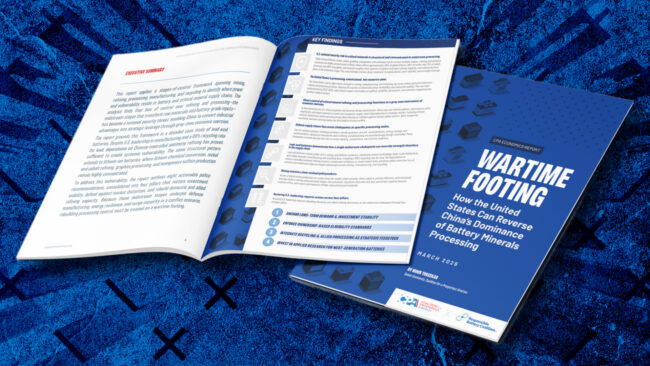
The report finds that China has consolidated global dominance in the midstream stages of battery supply chains—refining and chemical conversion—giving the Chinese Communist Party significant influence over pricing, supply availability, and industrial investment.
This bipartisan letter from the Senate Banking Committee is a powerful signal that Congress is finally taking seriously what CPA has been warning about for years: the Chinese Communist Party has been exploiting America’s capital markets to fund its military modernization, underwrite its surveillance state, and enrich entities engaged in genocide, forced labor, and espionage — all with American investor capital.
The letter underscores a critical point: any effective policy response must address the entire solar supply chain—from polysilicon to ingots, wafers, cells, and finished modules—rather than focusing on a single segment in isolation.
Section 301 is a powerful tool for addressing foreign policies that distort global markets and disadvantage American producers. When foreign governments explicitly pursue overproduction and then export the resulting surplus into the United States, the effect is to displace domestic output and deter new investment in American manufacturing.
Section 301 actions against a particular country or group of countries are more likely to merely shift international supply chains as opposed to growing domestic productive output.
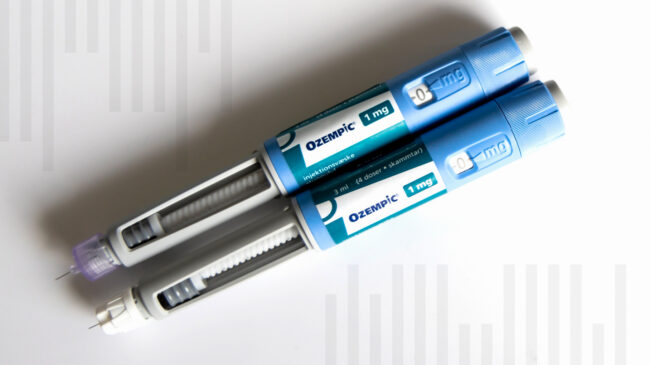
Last year, Americans spent more than $15 billion on Novo Nordisk’s diabetes and weight-loss drugs Ozempic and Wegovy. The active ingredient in both treatments — semaglutide— has rapidly become one of the world’s most commercially successful medicines.