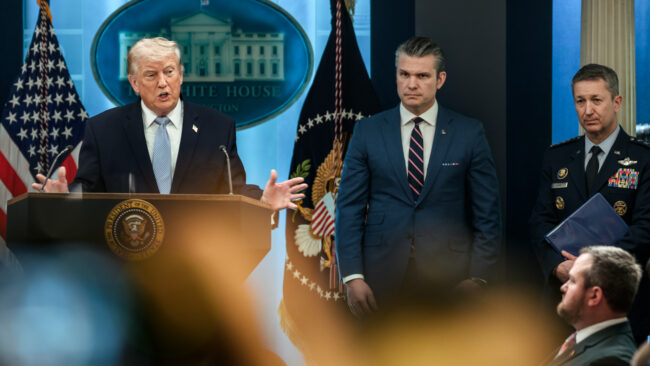
For too long, foreign actors with no real U.S. presence have been able to import into the American market while shielding themselves from the duties, penalties, and laws that domestic producers and legitimate U.S. importers must obey. The order takes aim squarely at that imbalance.
Lawmakers from member states of the European Union agreed to measures last week to stop drug shortages and fix chronic Asian dependencies for critical medicines, this time spurred by worries over the antibiotics supply chain.
A Senate Committee on Small Business and Entrepreneurship hearing held last week had only one manufacturer serving as a witness. He liked the tariffs because they stopped the bloodletting of cheaper imitations from China. However, he told the Senate that changes could be made to existing tariff policy to help lower costs as commodity and other input prices are rising fast.
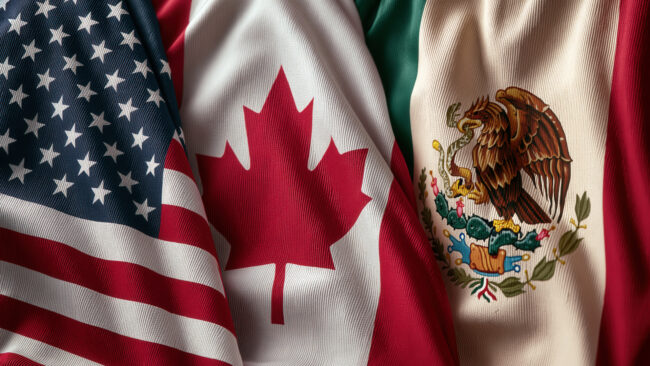
The clock is ticking on the U.S.-Mexico-Canada Agreement. On July 1, 2026, the three parties are scheduled to sit down for the formal “joint review” required by the deal itself. Under the terms USMCA’s drafters wrote into the agreement, the entire arrangement automatically expires on July 1, 2036 unless every government affirmatively recommits to it.
The U.S. Chamber of Commerce usually takes a white-glove approach to criticising their members’ businesses in China. But in a recent study, conducted for the Chamber by the Rhodium Group, there is a marked change of tune.
A House Natural Resources subcommittee heard from witnesses last week calling for special tax breaks and for Congress to consider restrictions on copper scraps exports.
The Bureau of Economic Analysis released its monthly trade data for March, and despite it being the first full month of the imbroglio in the Strait of Hormuz, imports rose more than exports and the deficit surpassed the three month moving average.