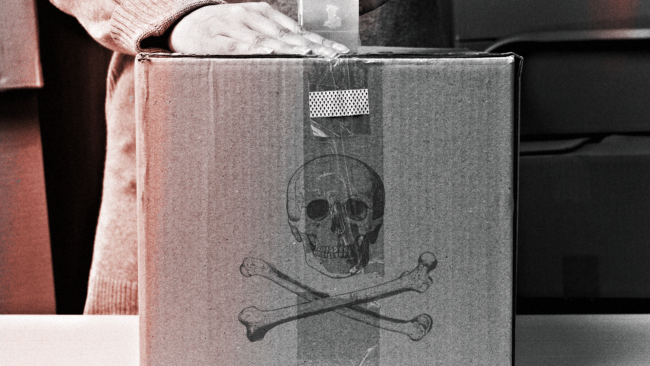
There is a strong and growing bipartisan consensus that the de minimis loophole has created rampant lawlessness and is facilitating the import of high-risk, illegal, and dangerous products—including deadly fentanyl poison that is killing tens of thousands of Americans each year.
The Department of Justice indicted a Chinese national who was living in the United States and importing thousands of kilograms of precursor chemicals used in making the addictive, powerful synthetic opioid known as fentanyl.
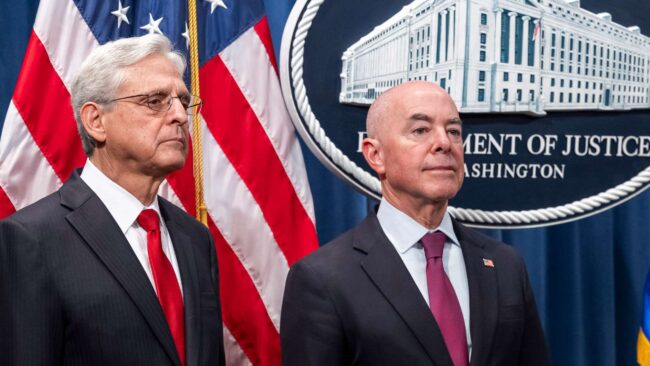
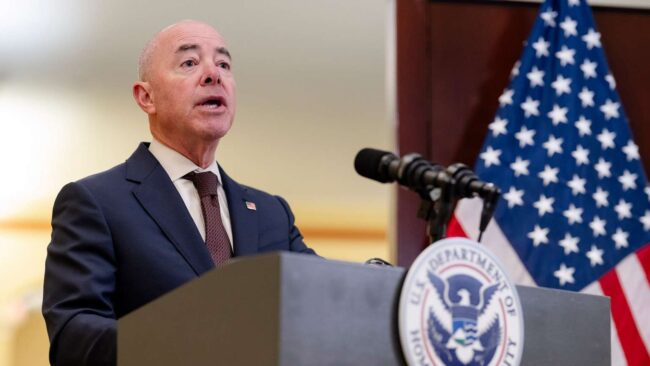
The de minimis customs provision that allows for goods priced under $800 to come into the U.S. duty free is full of risks, and an open door for “controlled substances and all sorts of contraband,” Homeland Security secretary Alejandro Mayorkas said on Tuesday.
While we appreciate Secretary Mayorkas’s acknowledgement that the de minimis loophole is a serious risk and undermines the U.S. government’s efforts to enforce the UFLPA, we have yet to see substantive action from the Biden administration to close this dangerous loophole.
The laws have not changed to make duty-free de minimis shipping any more difficult, but U.S. Customs and Border Protection (CBP) is starting to get proactive.
Shein’s troubling record of misrepresentations, human rights abuses, and several other concerns should properly exclude the company from being listed on any U.S. exchanges.
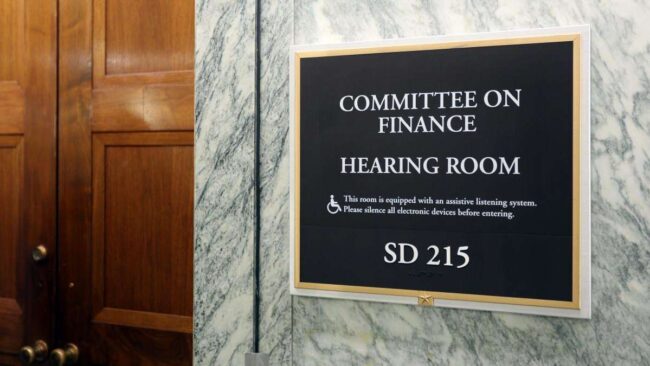
The U.S. Senate Finance Subcommittee for International Trade, Customs, and Global Competitiveness took a one-sided view on the de minimis exemption in a hearing on Tuesday, rejecting anything but technocratic changes to the global duty-free rule for small packages priced under $800.
We welcome the recent action by DHS to place 26 more Chinese textile companies on the UFLPA Entity List. However, more needs to be done to ensure that Chinese forced labor imports are not skirting the enforcement of U.S. law.