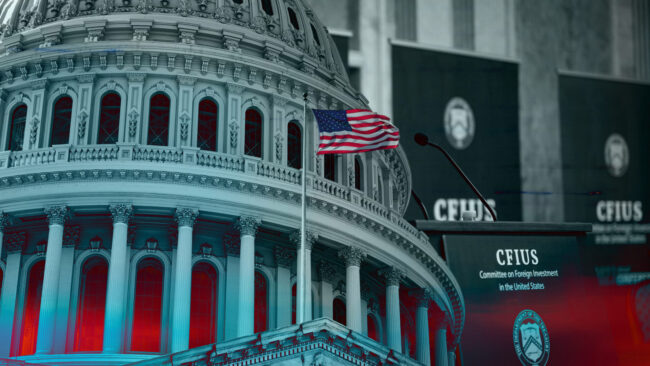
The Committee on Foreign Investment in the United States (CFIUS) turns 50 years old this year, and it still has lots to learn. The main disruptor – China – has ultimately added new layers to CFIUS oversight, but this oversight is in its infancy.
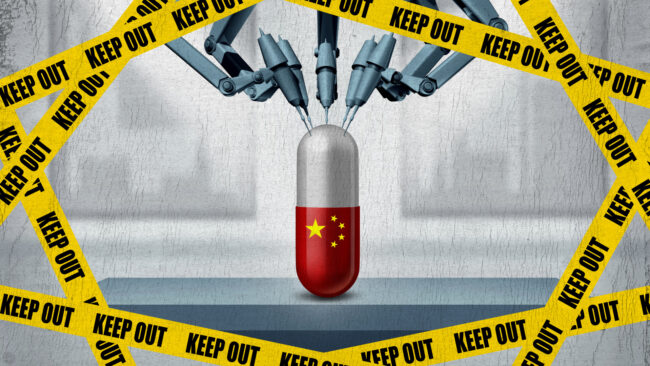
U.S. drugmakers are rapidly shifting the front end of America’s pharmaceutical ecosystem (e.g. discovery, early-stage-development, and the IP engine) to China through a surge of licensing deals and cross-border partnerships.
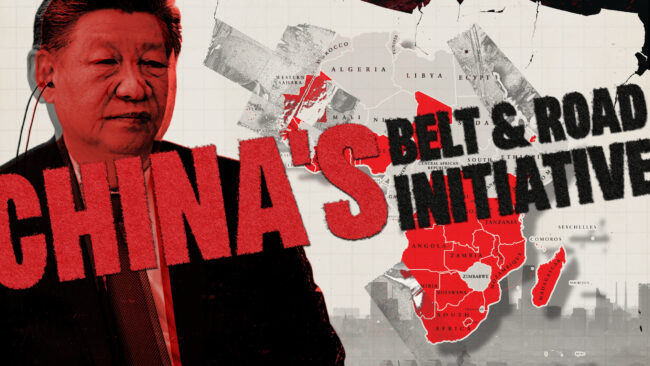
AGOA, first enacted in 2000, provides qualifying sub-Saharan African nations with tariff-free access to the U.S. market for thousands of products and was intended to support economic development, democratic reform, and stronger geopolitical ties to the United States.
We must stop importing more goods than we export, leaving us deeply indebted to our trading partners. I urge Congress to urgently pass a bill that would implement the Market Access Charge. Call your Congressman and Senator today to urge them to support the introduction of such a bill.
The October trade deficit fell by 39% for goods and services combined, but even the goods deficit fell to monthly numbers not seen in at least five years. The October deficit in goods was $59.14 billion, down 24.5% from September, the Bureau of Economic Analysis said on Thursday.
The United States is facing a new form of strategic dependence: Chinese-linked firms are reentering critical American industries through influence and control rather than visible ownership.
The current cost-of-living crisis – defined by the soaring cost of essential services – is not the result of excessive consumer demand or short-term inflation shocks. It is the product of decades of trade and industrial policy choices that weakened middle-class wage growth.
CPA welcomed final passage this week of the ‘National Defense Authorization Act (NDAA) for FY2026,’ (S.1071), which has been sent to President Trump’s desk for signature. The legislation advances critical national security priorities, strengthens U.S. defense readiness, raises troop pay by 3.8%, and reinforces the importance of resilient domestic supply chains and robust U.S. manufacturing capacity.
China’s foray into the automotive industry makes perfect sense for any serious, powerful economy. Every major economic power has its own car brands. China has them now, in droves.