Widely regarded as one of the nation’s leading experts on tariffs, industrial policy, economic modeling, and trade policy, Ferry’s contributions to CPA and the broader economic policy landscape have been transformative.
The Congressional Budget Office’s (CBO) preliminary report on the impact of tariffs on the U.S. economy forecasts large benefits to the federal budget from tariffs and a tiny consumer price increase, confirming recent forecasts published by the Coalition for a Prosperous America.
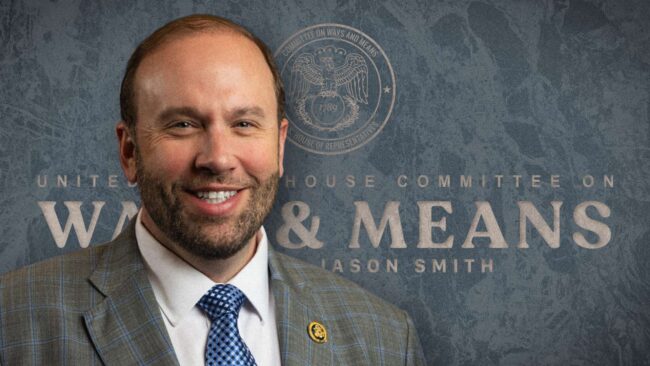
CPA is proud to support Chairman Smith as he continues to champion policies that prioritize American workers and to rebuild our nation’s productive capacity.
For Mr. Lutnick to lead the tariff and trade agenda in the next Administration, he will need an aligned Treasury Secretary to executive critical policies on customs revenue generation, customs valuation, and de minimis.
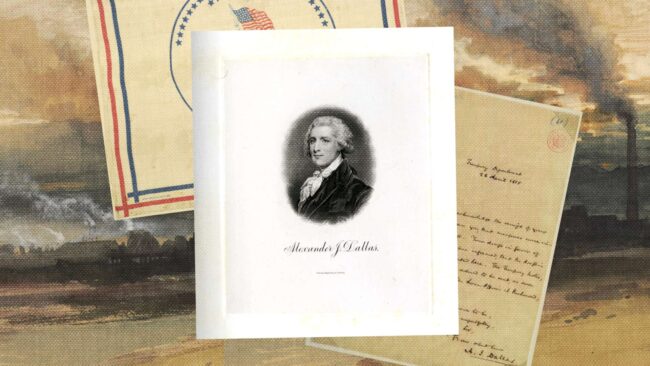
When George Washington was President, consensus existed that tariffs should be used for both (1) federal revenue purposes, and also (2) to protect domestic production. This consensus was embodied in the first sentence of the first U.S. Tariff Act, passed on July 4, 1789.
The Tax Foundation bills itself as the “world’s leading nonpartisan tax policy nonprofit”, but they do not understand the basic concepts of how tariffs work — or even what they are.
The bipartisan legislation would prevent any company with ties to a Foreign Entity of Concern from receiving the 45X Advanced Manufacturing Tax Credit.
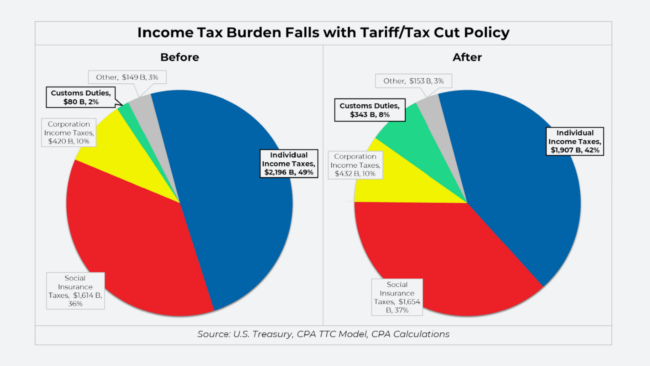
A 10% “universal” tariff on all U.S. imports, combined with a schedule of income tax cuts would generate economic growth of $728 billion and 2.8 million additional jobs, according to the CPA economic model of the U.S. economy.