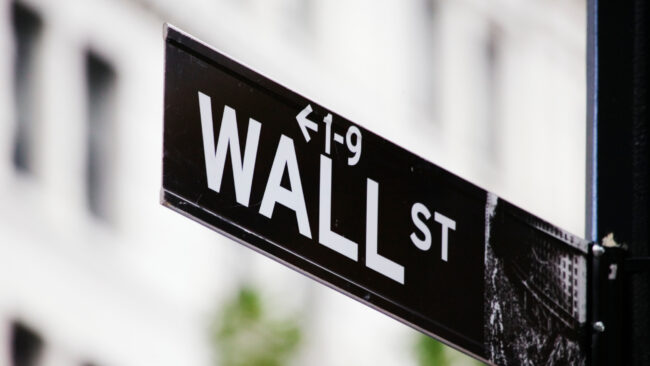
Wall Street’s CATL IPO Test: Will They Stand with American Security or the CCP?
The American people, Congress, and the President have spoken. Now it’s Wall Street’s turn to decide.



The American people, Congress, and the President have spoken. Now it’s Wall Street’s turn to decide.

The Department’s decision confirms what CPA has consistently warned: Chinese solar companies have been illegally circumventing U.S. trade laws through Southeast Asian shell operations, flooding the U.S. market with dumped and subsidized products directly harming the domestic solar manufacturing industry.

Tariffs on pharmaceutical companies isn’t just good economic policy — it benefits national security and public health.
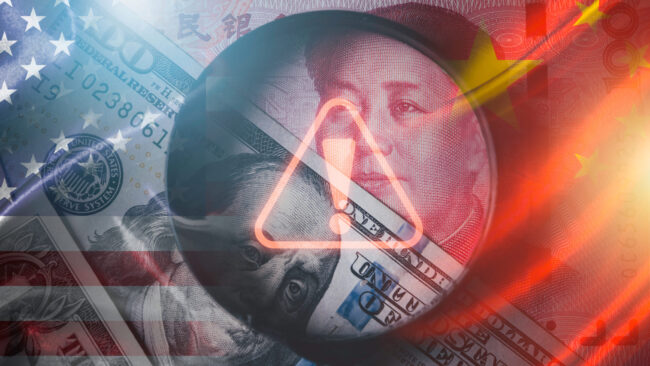
This legislative initiative aligns with CPA’s commitment to ensuring that U.S. capital does not inadvertently support adversarial regimes that undermine America’s economic and national security interests.
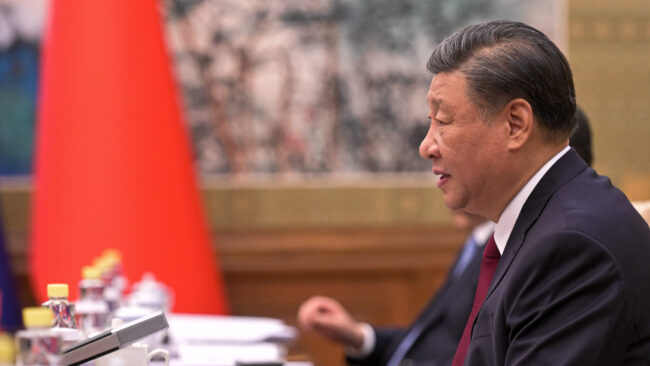
CPA remains unwavering in our commitment to rebuilding U.S. industry and supporting American workers. China’s latest move only proves that our efforts are making an impact—and we will not back down.

The United States is amid a dangerous drug shortage that endangers patients, undermines our health care system and exposes a deep vulnerability to national security. America’s overwhelming reliance on foreign manufacturers for generic drugs is at the center of it.
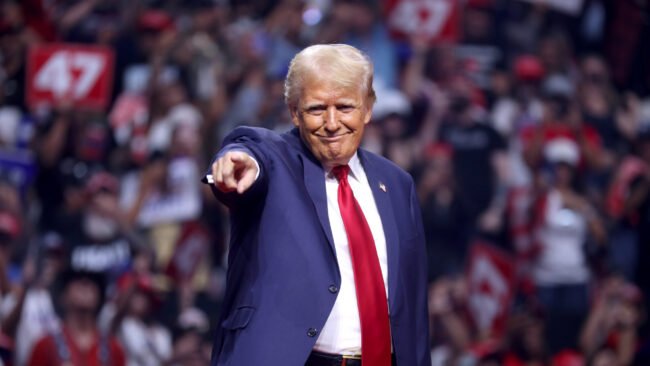
The Trump administration’s decision to impose a permanent 10% baseline tariff on imports from all countries, combined strategically with higher reciprocal tariffs on nations engaging in unfair trade practices, marks a crucial step forward in reindustrializing America and restoring economic strength and security.

The stock market is not the economy, and it certainly isn’t a proxy for the health of U.S. manufacturing or working-class prosperity.
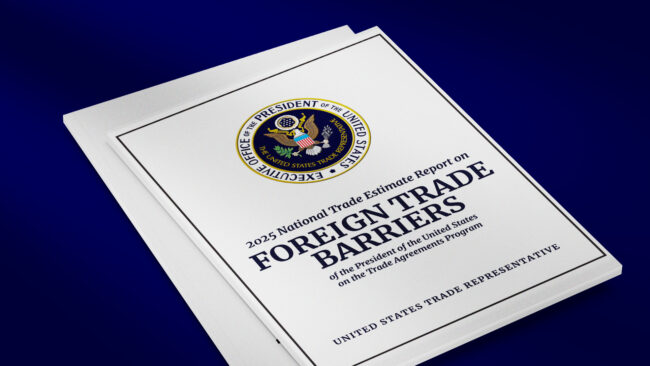
The NTE report specifically identifies significant barriers and illicit trade practices, particularly involving China, impacting the solar, automotive, and steel industries, underscoring the urgent need for robust U.S. enforcement to address transshipment and tariff evasion.
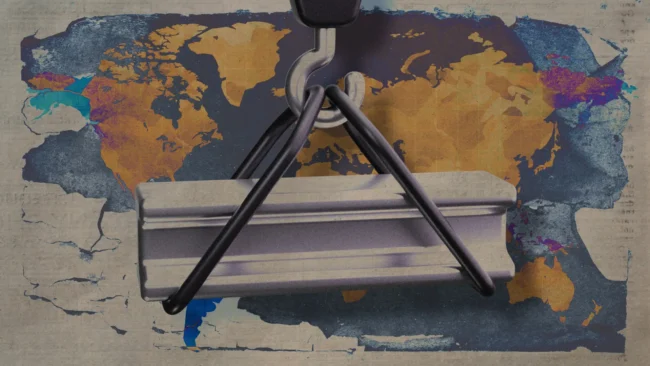
As the United States looks to compete in these advanced industries, it’s important to remember the two building blocks that undergird them: Steel and aluminum.