



De Minimis Update: Major New Senate Finance Bill; Regulatory Capture DHS/CBP Strikes Again
The de minimis catastrophe is getting attention on Capitol Hill, thanks to legislative champions on both sides of the aisle in Congress, and the advocacy of the The Coalition to Close the De Minimis Loophole (of which CPA is a member).
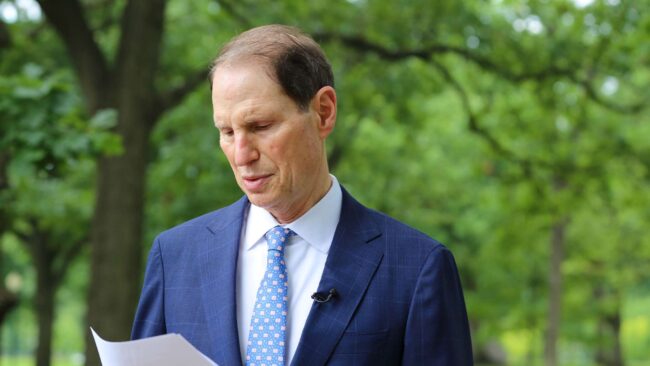
CPA Statement on Wyden, Lummis, Brown, Collins, and Casey Bipartisan De Minimis Bill
There is a strong and growing bipartisan consensus that the de minimis loophole has created rampant lawlessness and is facilitating the import of high-risk, illegal, and dangerous products—including deadly fentanyl poison that is killing tens of thousands of Americans each year.

De Minimis Catastrophe Escalates: DOJ Indictments Laughed-Off, Amazon Moving to China, CBP Sued
The de minimis problem is getting worse. Consider this article a “Summer 2024” update of how the de minimis catastrophe continues to escalate.

Legislation to Address China’s Exploitation of U.S. Capital Markets, Economic Incentives, and Trade Policy
THE CHINA BILL Legislation to Address China’s Exploitation of U.S. Capital Markets, Economic Incentives, and Trade Policy House Speaker Mike Johnson (R-LA) and Senate Majority
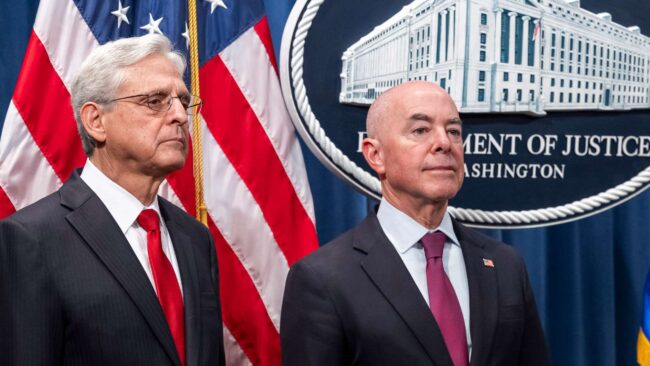
Fentanyl By Mail: DOJ Captures Chinese National Importing 2,000 Kilos of Fentanyl Chemicals
The Department of Justice indicted a Chinese national who was living in the United States and importing thousands of kilograms of precursor chemicals used in making the addictive, powerful synthetic opioid known as fentanyl.
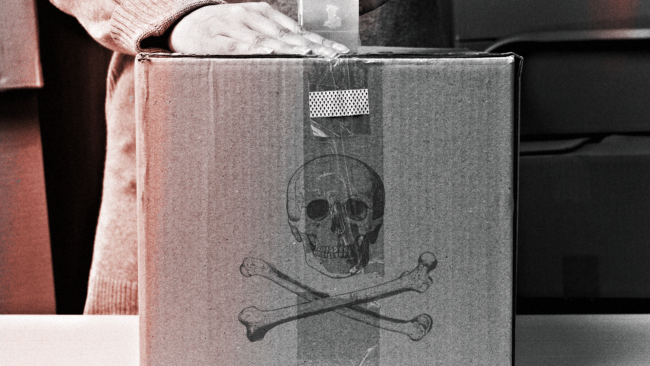
Homeland’s Mayorkas Criticizes De Minimis, Says It Comes With Risks
The de minimis customs provision that allows for goods priced under $800 to come into the U.S. duty free is full of risks, and an open door for “controlled substances and all sorts of contraband,” Homeland Security secretary Alejandro Mayorkas said on Tuesday.

Secretary Mayorkas Confirms: De Minimis Loophole is High Risk, Undermines Forced Labor Laws
While we appreciate Secretary Mayorkas’s acknowledgement that the de minimis loophole is a serious risk and undermines the U.S. government’s efforts to enforce the UFLPA, we have yet to see substantive action from the Biden administration to close this dangerous loophole.