One year after Liberation Day, the U.S. manufacturing sector is showing some significant early signs of resurgence. The industrial base is not yet fully rebuilt, and the recovery remains uneven across sectors, but the early signs are encouraging.
The race to commercialize nuclear fusion will define the next era of geopolitical power. By one estimate, a single glass of fusion fuel carries the energy equivalent of one million gallons of oil, enough to power a home for more than 800 years.
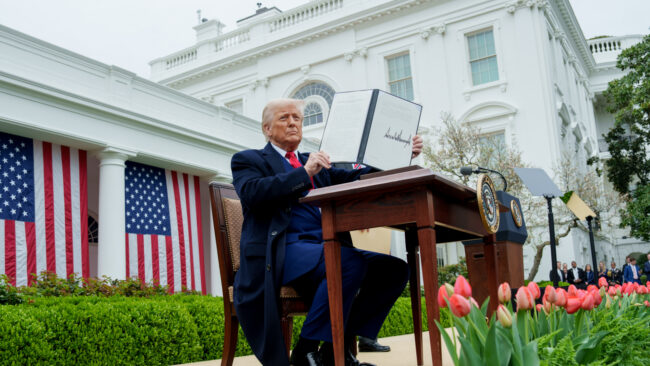
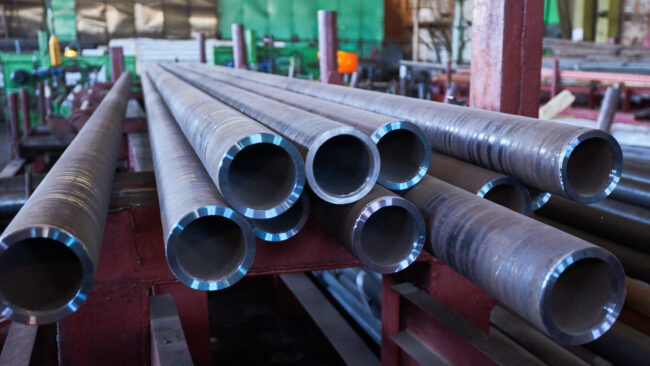
Section 232 tariffs remain a cornerstone of U.S. industrial policy, particularly in sectors tied to infrastructure, energy, and defense. This proclamation reinforces their role as a long-term tool to increase domestic capacity utilization, reduce import dependence, and support a resilient industrial base.
A recent 60 Minutes segment gave the Cato Institute a platform to argue that America’s shipbuilding crisis proves protectionist industrial policy has failed. The opposite is true: the crisis is the product of four decades without an industrial policy.
Project Vault was developed to lend money to miners and entice investment in metals processing in order to build a strategic reserve of critical minerals to protect industry from supply shocks and price volatility.
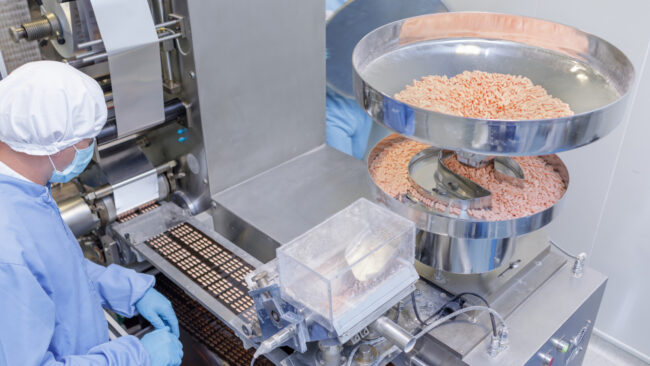
America’s healthcare system cannot remain dependent on fragile and subsidized foreign supply chains for generic pharmaceuticals and other critical countermeasures that are fundamental to patient care.
A new Federal Reserve FEDS Note finds a systematic link between Chinese industrial policy interventions and export growth. The 15 most policy-targeted sectors accounted for 76% of the increase in China’s aggregate trade surplus from 2017 to 2024.
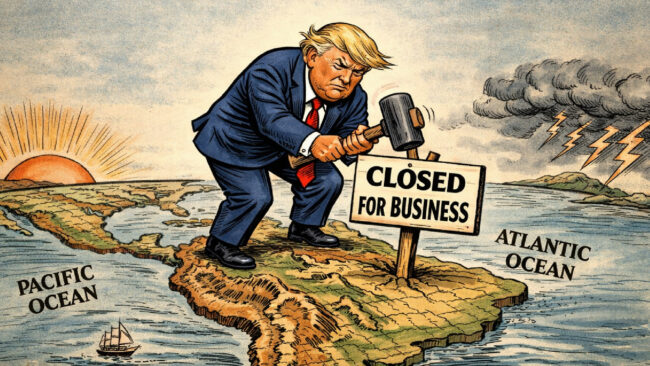
Last November, the White House released its National Security Strategy of the United States that laid out the Trump administration’s strategy for the Americas. In it, the strategy imperative for the region said that one of Washington’s key goals was to make sure the Americas remains “free of hostile foreign incursion or ownership of key assets,” and was supportive of U.S. access to critical supply chains. China wasn’t mentioned by name as the hostile adversary, but China is precisely who the White House had in mind.
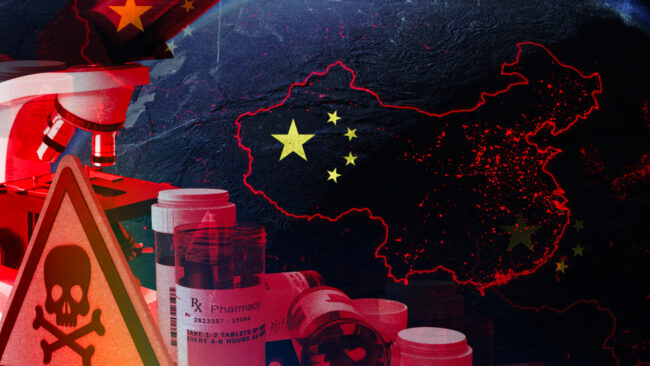
Everyone agrees, in particular that reliance on China for key ingredients used to make medicines is risky; and everyone agrees that further up market – in advanced biotech – China is becoming an unmatched rival that could easily shrink America’s role in drug innovation.