


Administration Must Embrace Specific Tariffs Over Weak Ad Valorem for Metals
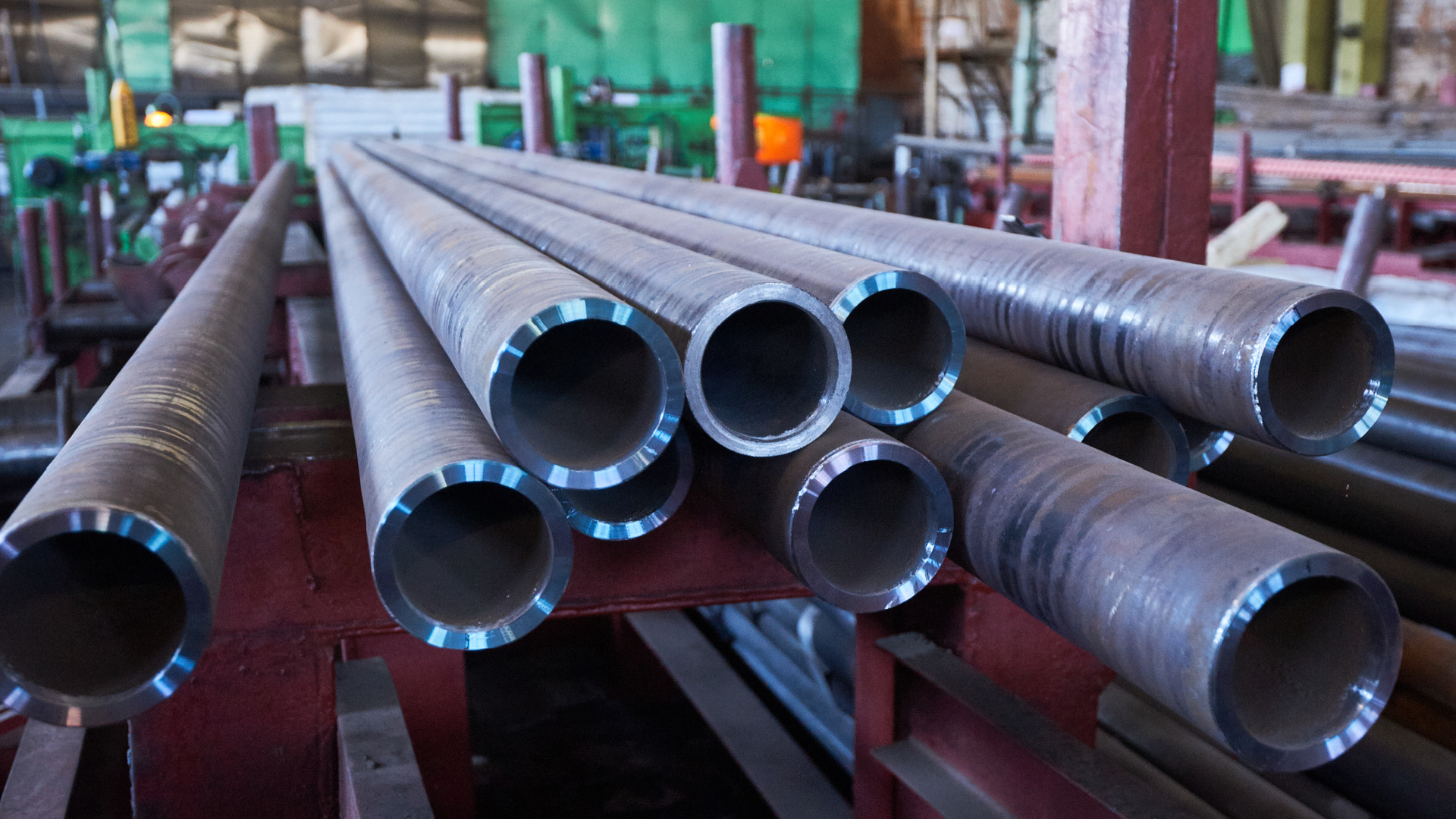
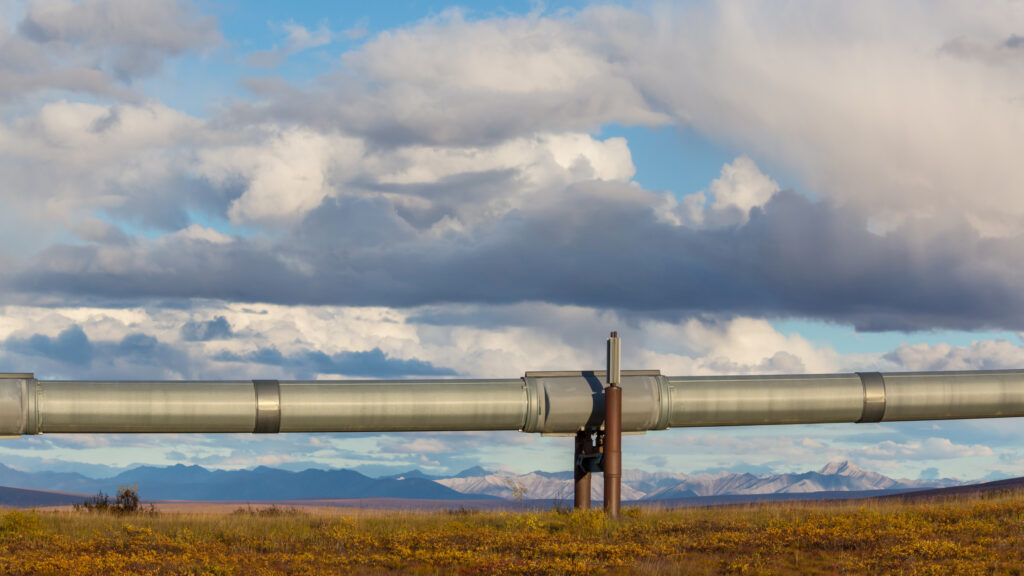
WASHINGTON, D.C. — A proposed 807-mile natural gas pipeline intended to bring gas from Alaska’s North Slope to a new export terminal in the Kenai Peninsula in Southcentral Alaska will be fabricated in Korea despite the Administration’s headline “fifty percent” steel tariff.
On June 3, 2025, Presidential Proclamation 10947 modified the steel and aluminum actions. While the headline of the tariff action was an increase of the supplemental duty from 25% to 50%, it also changed the way the tariff was assessed on fabricated aluminum and steel products. Instead of the traditional method of assessing ad valorem tariffs, which is against the importer’s transaction price, the new method was to assess the 50% against what the overseas fabricator claimed to have paid for the steel in their country.
Such an approach, inviting customs declarations from overseas, judgment-proof vendors, invites tariff fraud in an unprecedented manner. CPA immediately warned that this approach was untenable and should be replaced in favor of ‘specific’ tariffs assessed on verifiable quantifiable measurements, like weight or count.
Proclamation 10947 proved to be a tariff cut in the actual duty-owned on countless aluminum and steel fabricated products.
In a November statement, CPA again criticized the ongoing undermining of the Administration’s Section 232 steel and aluminum measures. In addition, as primary steel remains subject to a standard fifty percent ad valorem duty under Section 232, the effect of weaker protection for fabricated downstream products is dangerous tariff-inversion that drives offshoring of metal fabrication.
CPA is reiterating its call for the Trump administration to prioritize domestic metal fabricators, and not allow the outsourcing of critical infrastructure supply chains to foreign suppliers, putting our national security perilously at risk.
The news that the trans-Alaskan pipeline will be imported from Korea further drives home the weakness of all ad valorem tariffs, as Korean large diameter welded pipe is also subject to ad valorem anti-dumping and countervailing duties.
“The Glenfarne-POSCO deal for a Made-in-Korea Alaskan pipeline underscores exactly what CPA warned about: America’s industrial backbone can be hollowed out even while building out American energy infrastructure,” said Jon Toomey, President of CPA. “With the Administration limiting itself to weak ad valorem tariffs, we lose jobs, capabilities, and national-security resilience.”
CPA argues that infrastructure projects, from pipelines to data centers, should drive growth in domestic steel and aluminum output, not imports. The Trump administration should re-validate the original intent of Section 232: strengthening U.S. manufacturing, safeguarding supply chains, and protecting jobs for American steelworkers.
CPA urges the White House and Commerce Department to:
- Ensure that fabricated steel and aluminum products have effective tariff protection by converting ad valorem tariffs to specific tariffs, as was the norm prior to the GATT era;
- Reject trade deals which treat American metal as a bargaining chip for unrelated priorities;
- Affirm a consistent “Made in America” standard across all federal infrastructure and energy spending.
This news comes at a time when the Trump administration is driving energy expansion as the Environmental Protection Agency (EPA) ramps up pipeline and nuclear reviews. During a Fox Business appearance on ‘Mornings with Maria’ (Bartiromo) this week, EPA Administrator Lee Zeldin joined the program to talk about the agency’s $3 billion push to remove lead pipes, new concerns over microplastics and the battle over pesticide approvals. During the program [beginning at 8:25 mark], host Bartiromo specifically mentions the concerns of CPA Board Member Barry Zekelman over foreign-made pipes for these projects. Zekelman is Executive Chairman and CEO of Zekelman Industries, parent company of Atlas Tube Inc., the largest independent tubing company in North America.
Let me get back to pipes for just a second… Because we led with pipes, I’ll end with pipes. We have a regular guest, Barry Zekelman, who is joining us often, and who is in the business of steel. And he asks the question, ‘Why are we so worried about drinking water in lead pipes, and yet 50% of our water flows through foreign pipes. Foreign pipes made in countries with the lowest standard imaginable,' Lee. What about that?
– Fox Business Channel’s ‘Mornings With Maria’ Host Maria Bartiromo, to EPA Administrator Zeldin, on Monday’s show, December 8, 2025
As it goes with environmental protections in water for the safety of our citizens, so it should also go with environmental protections with gas pipelines for the safety of our citizens. Both of these present significant national security concerns coming from foreign-made pipes.
CPA insists the administration must not only deliver energy-security outcomes — while Glenfarne pursues a final investment decision for Alaska LNG — but also ensure that those outcomes are built on a reinvigorated American industrial base.
# # #