


WASHINGTON, D.C. — The Coalition for a Prosperous America (CPA) submitted formal comments to the Federal Communications Commission (FCC) this week supporting its proposed rule to increase transparency regarding foreign adversary control of smart devices and appliances. The rulemaking (GN Docket No. 25-166) comes amid growing concerns over the national security, economic, and privacy risks posed by foreign-owned connected devices—particularly those affiliated with China.
“Smart devices” in things like appliances and newer cars are high tech products enhanced with internet connectivity and sometimes artificial intelligence, enabling remote control and data-collection features that traditional devices lack. [One Senator even tried blocking Chinese EVs because of broadband capabilities last year.]
CPA’s comments highlight several concerns with China-owned brands like Haier (owner of GE Appliances), Midea, and Hisense in the U.S. market. These companies, while marketed as commercial brands, operate under China’s Military-Civil Fusion strategy, where corporate activity is closely aligned with the Chinese government’s intelligence and military objectives.
“Foreign adversaries are embedding themselves into the digital infrastructure of American homes through smart appliances and connected devices,” said Jon Toomey, President of CPA. “This rulemaking is a vital first step toward ensuring American consumers know who controls the technology inside their homes – and who may be accessing their data.”
CPA’s filing urges the FCC to:
- Mandate public disclosure of any foreign adversary ownership or control of connected devices, particularly high-wattage appliances tied to the energy grid;
- Require clear consumer-facing privacy disclosures when data collection practices are subject to foreign laws such as China’s National Intelligence Law and Cybersecurity Law.
The Administration has previously sought to impose Foreign Entity of Concern (FEOC) penalties on solar projects that use components from adversarial foreign entities—particularly China—to safeguard American solar manufacturers and protect U.S. national security.
For example, a Reuters report in May highlighted communication devices embedded in Chinese-made solar inverters – needed to make solar-panel powered electricity – underscoring the need for domestic sourcing requirements and enforcement mechanisms to secure America’s solar infrastructure.
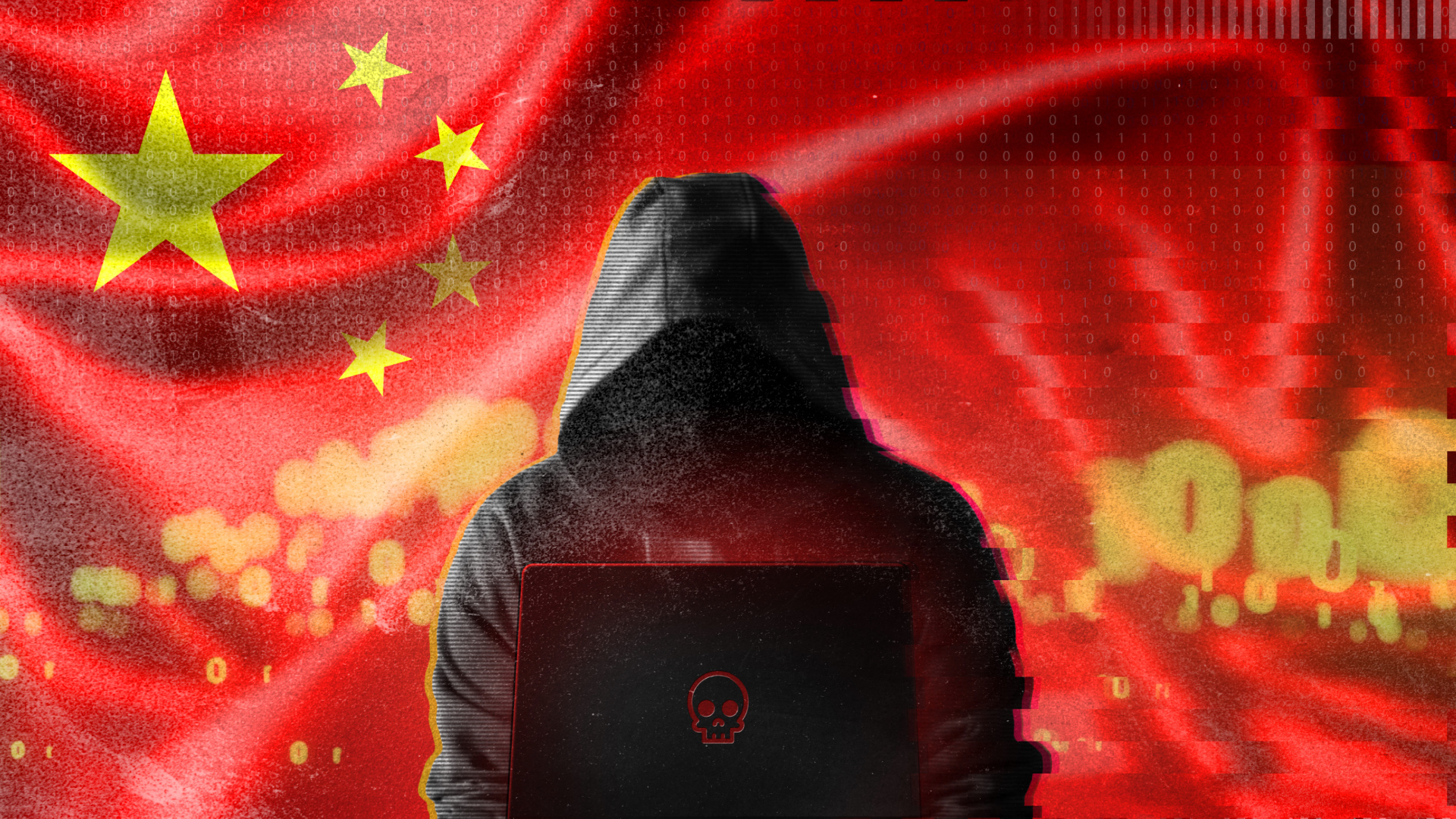
Chinese smart appliances are like data collection nodes for the manufacturer, who can then share that data with the Chinese government. By embedding themselves in U.S. homes and energy systems, these companies create a backdoor for espionage, coercion, and potential grid disruption in a worse case scenario.
CPA’s view is that American families have a right to know when their private data could be funneled to a foreign government. For this reason, CPA is commending the FCC for addressing this issue and urging swift finalization of the proposed rule.
# # #