


Warns of Risks to U.S. Industry and National Security
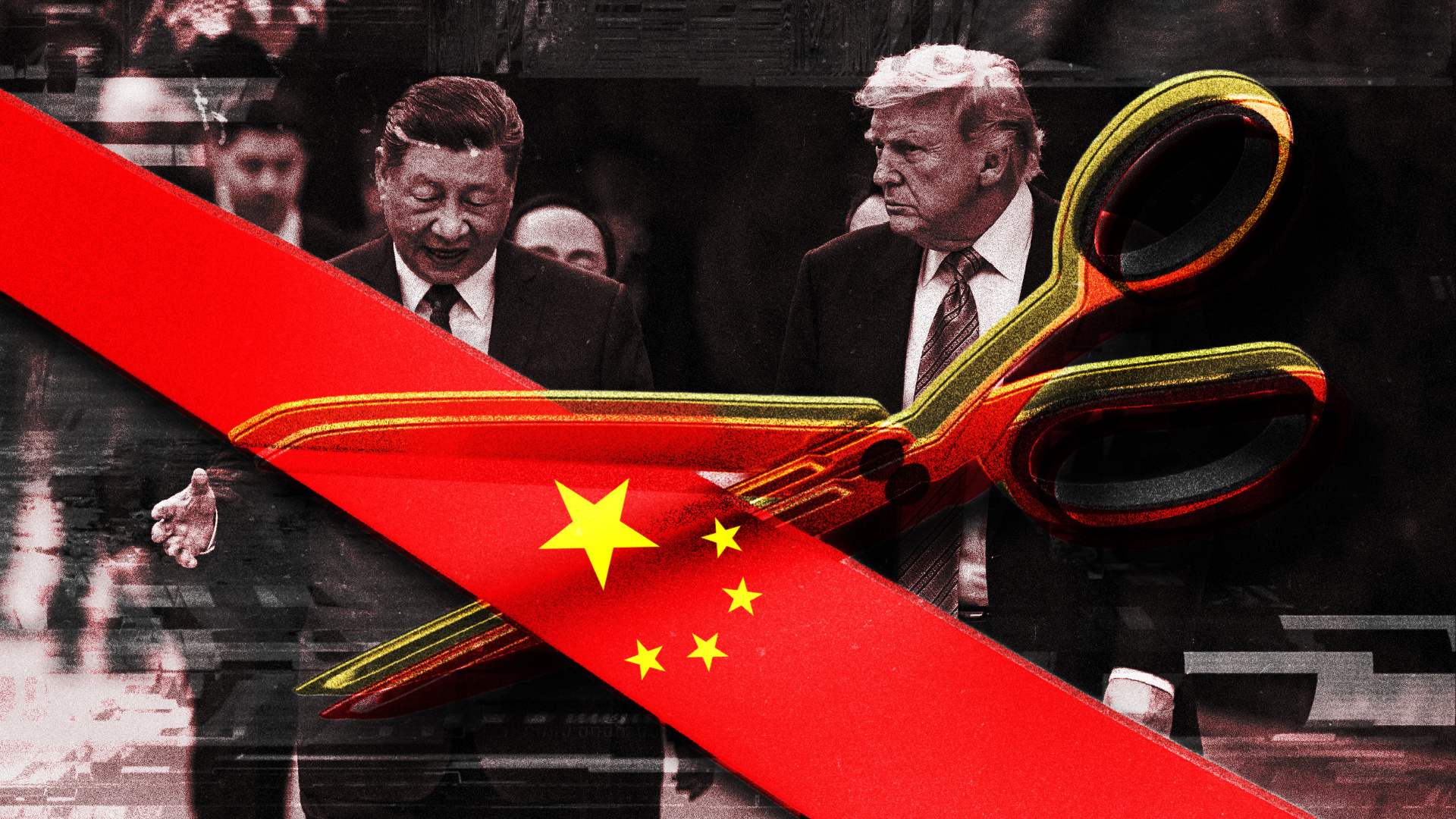
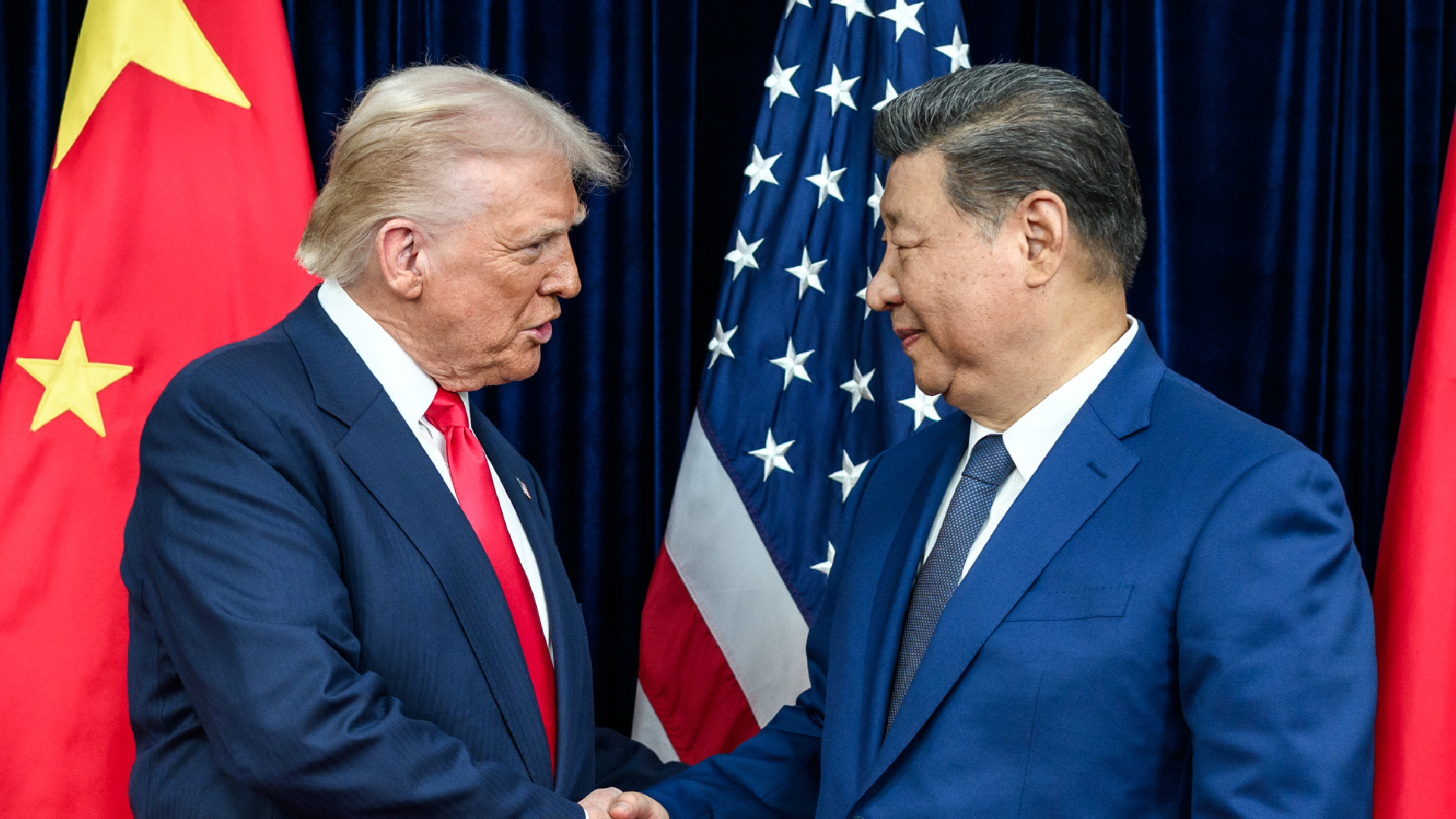
WASHINGTON, D.C. — The Coalition for a Prosperous America (CPA) announced its submission of formal comments to the U.S. International Trade Commission (USITC) in its investigation into the economic impact of revoking China’s Permanent Normal Trade Relations (PNTR) status. The USITC investigation (Inv. No. 332-609) will assess how ending PNTR for China would affect U.S. production, supply chains, and national security over the coming years.
CPA’s filing demonstrates how revoking PNTR would materially strengthen the U.S. economy. Using CPA’s GTAP-FP model and tariff-line analysis, CPA estimates that ending PNTR would increase U.S. GDP by $274 billion, add 1.2 million jobs, and raise household income by 1.94 percent, or roughly $1,624 per household. CPA’s GTAP-FP model shows that when tariffs shift demand from imports to domestic producers, U.S. firms expand production, investment, and hiring, generating broader gains in output, employment, and income.
CPA’s submission further finds that PNTR accelerated the offshoring of critical manufacturing, increased dependence on Chinese imports, and deepened U.S. exposure to China’s state-directed economic system. Since PNTR was granted in 2000, U.S. imports from China have surged, the bilateral trade deficit has ballooned, and U.S. manufacturing has been hollowed out by deep structural imbalances. Economic research finds that rising Chinese import competition caused 2.0 to 2.4 million net U.S. job losses from 1999 to 2011, while the consumer price benefits were limited, reducing U.S. inflation by only about 0.1 percentage point per year on average from 1996 to 2005.
“PNTR accelerated the erosion of America’s industrial base and has left the United States dangerously exposed in critical industries, including pharmaceuticals, energy, metals, and more,” said CPA Senior Economist Andrew Rechenberg, author of the submission. “Revoking PNTR for China would move Chinese imports onto an average effective Column 2 tariff rate of 38.9 percent, helping rebalance trade, restore domestic production capacity, and reduce strategic dependence on an increasingly adversarial economic system.”
CPA’s comments argue that China’s economic model—marked by chronic overcapacity, heavy subsidies, industrial targeting, and the fusion of civilian and military production—poses a systemic threat to U.S. economic and national security. The submission warns that continued reliance on Chinese supply chains in advanced and dual-use sectors such as semiconductors, telecommunications equipment, and advanced manufacturing strengthens China’s military-industrial base while weakening America’s own. Revoking PNTR, paired with strategic tariffs and industrial policy, would help rebuild domestic capacity in sectors essential to both economic resilience and national defense.
CPA’s model finds that imports from China would fall by 82 percent, to about $55 billion. That would leave the United States with a $49 billion bilateral trade surplus with China and improve the overall U.S. goods trade balance by $158 billion. CPA further estimates that Column 2 tariff treatment would generate approximately $21.6 billion in annual tariff revenue, though the filing emphasizes that the policy’s central benefit is stronger domestic production rather than revenue collection.
“China’s state-led system was always designed to dominate global production and absorb critical industries from the United States and its allies,” said CPA President Jon Toomey. “If we continue down the current path, we are not just losing factories—we are ceding technological leadership, supply chain security, and ultimately our economic sovereignty.”
CPA reiterates its longstanding position that trade policy must serve the interests of American workers, producers, and national security. The organization calls on policymakers to use the USITC investigation as a foundation for decisive action to reduce dependence on China, rebuild U.S. manufacturing, and safeguard critical industries from further erosion.
To read the full submission, click here: ‘Effects on the U.S. Economy of Revoking China’s Permanent Normal Trade Relations Status; Comments of the Coalition for a Prosperous America (13 April 2026).’
# # #