


The Proclamation Eliminates the Flawed “Tariff-on-Content” Valuation Approach
WASHINGTON, D.C. — The Coalition for a Prosperous America (CPA) today applauded the Trump administration for issuing a proclamation that strengthens the Section 232 tariffs on steel, aluminum, and copper. Importantly, today’s action eliminates the “tariff on content” customs valuation approach which was undermining the effectiveness of the tariffs. Going forward, the tariffs will now be applied to the full customs value of imported products.
These changes address concerns raised by domestic manufacturers regarding tariff circumvention, import undervaluation, and enforcement gaps. By replacing the flawed “tariff on content” approach with full-value tariffs and strengthening enforcement tools, the administration is closing pathways that allowed foreign producers to evade duties and undercut U.S. industry. The proclamation also repeals the public inclusion process, but preserves the ability for downstream products to be added.
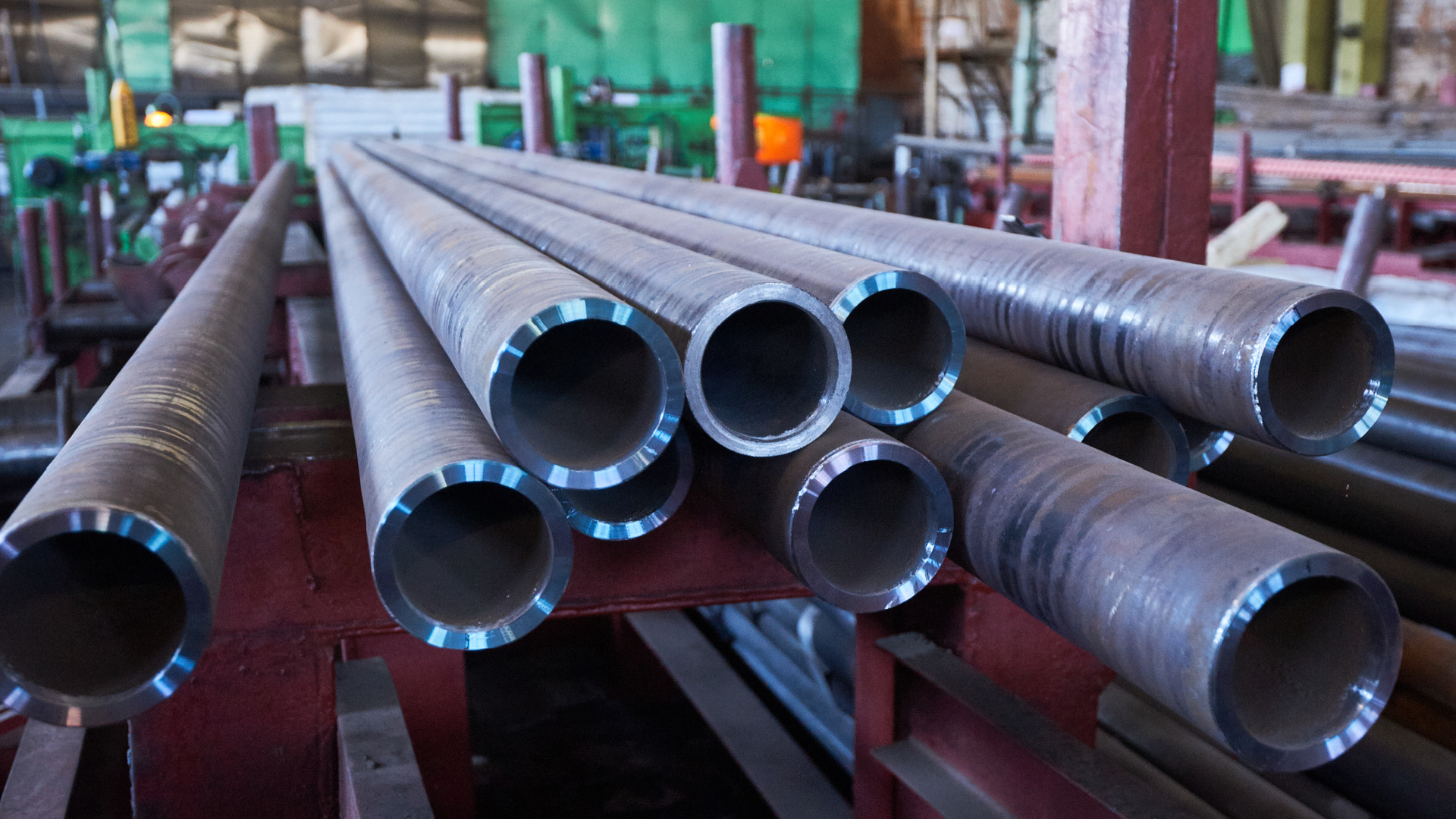
CPA and its metal fabricator members—particularly in the steel pipe and tube sector, which has been heavily impacted by import surges and undervaluation, the aluminum fabricator industry, which represents the overwhelming majority of jobs in the domestic aluminum sector, and domestic copper manufacturers—have engaged extensively with senior administration officials to highlight how current policies were allowing imports to displace domestic production despite the presence of tariffs. The proclamation also maintains the 50 percent tariff rate on core upstream copper products such as bars and plates, ensuring that foundational protection for domestic producers remains intact.
In particular, CPA and its members are grateful to Undersecretary of Commerce Jeffrey Kessler, who leads the Bureau of Industry and Security, and his team for their work and support for domestic industry. The proclamation reflects a recognition that effective trade policy requires not only strong measures on paper, but also straightforward implementation. The proclamation’s revised ad valorem approach will help lessen the flagrant undervaluation that has exploded since June 2025.
“After in depth engagement with senior administration officials to address critical flaws in the Section 232 steel and aluminum tariffs, we are grateful they are taking this important action,” said Jon Toomey, President of the Coalition for a Prosperous America. “We especially appreciate the leadership of the Bureau of Industry and Security and the work their team has done to resolve these issues. CPA is proud to represent companies across the steel and aluminum industries that account for the vast majority of jobs in these critical sectors, and this action will help ensure these tariffs function as intended to support domestic production and American workers.”
CPA looks forward to working with the Administration to ensure that tariff enforcement mechanisms fully address the persistent risk of undervaluation inherent in ad valorem duties, which are assessed on declared invoice values. In this regard, CPA supports incorporating a mechanism—similar to the Lumber Section 232 Proclamation—that enables the conversion of ad valorem tariffs into specific or compound tariffs based on verifiable physical units at the port, rather than on declared values that are difficult to police.
Section 232 tariffs remain a cornerstone of U.S. industrial policy, particularly in sectors tied to infrastructure, energy, and defense. This proclamation reinforces their role as a long-term tool to increase domestic capacity utilization, reduce import dependence, and support a resilient industrial base. By ensuring tariffs apply to the full value of imported goods, the administration has taken a positive step toward restoring the integrity and effectiveness of the Section 232 program.
The domestic steel and aluminum industries—especially downstream manufacturers—play a critical role in supporting high-quality jobs and value-added production across the U.S. economy. Consumer goods, from appliances to barbeques, from gun safes to flatware, also play an important role in sustaining American aluminum, copper, and steel production. CPA hopes that the Secretary of Commerce and USTR will use their new authorities to develop more product-specific tariffs that grow these Made-in-USA jobs.
CPA looks forward to continuing its work with the administration to ensure that Section 232 tariffs remain a durable and effective tool for rebuilding America’s industrial base.
# # #